Case study
LOFT
ShippedThe logistics side of Sabi Market: a driver app that confirms every pickup and drop-off, and an admin portal that turns orders into trips.
The scripted part of this conversation carries the verified facts. Live answers only use what's on this site.
Hi, this is LOFT, the logistics app I worked on at Sabi Africa. When a shop owner orders on Sabi Market, LOFT is how it gets there. It shipped. Ask away, or just scroll.
What is LOFT?
Thought for 2s
LOFT is the logistics product behind Sabi Market. Orders placed on the marketplace become trips, and LOFT carries them from supplier to shop. It's two products: a driver app that confirms each step on the road, and an admin portal where the operations team onboards carriers, drivers and vehicles and plans the trips. It shipped.
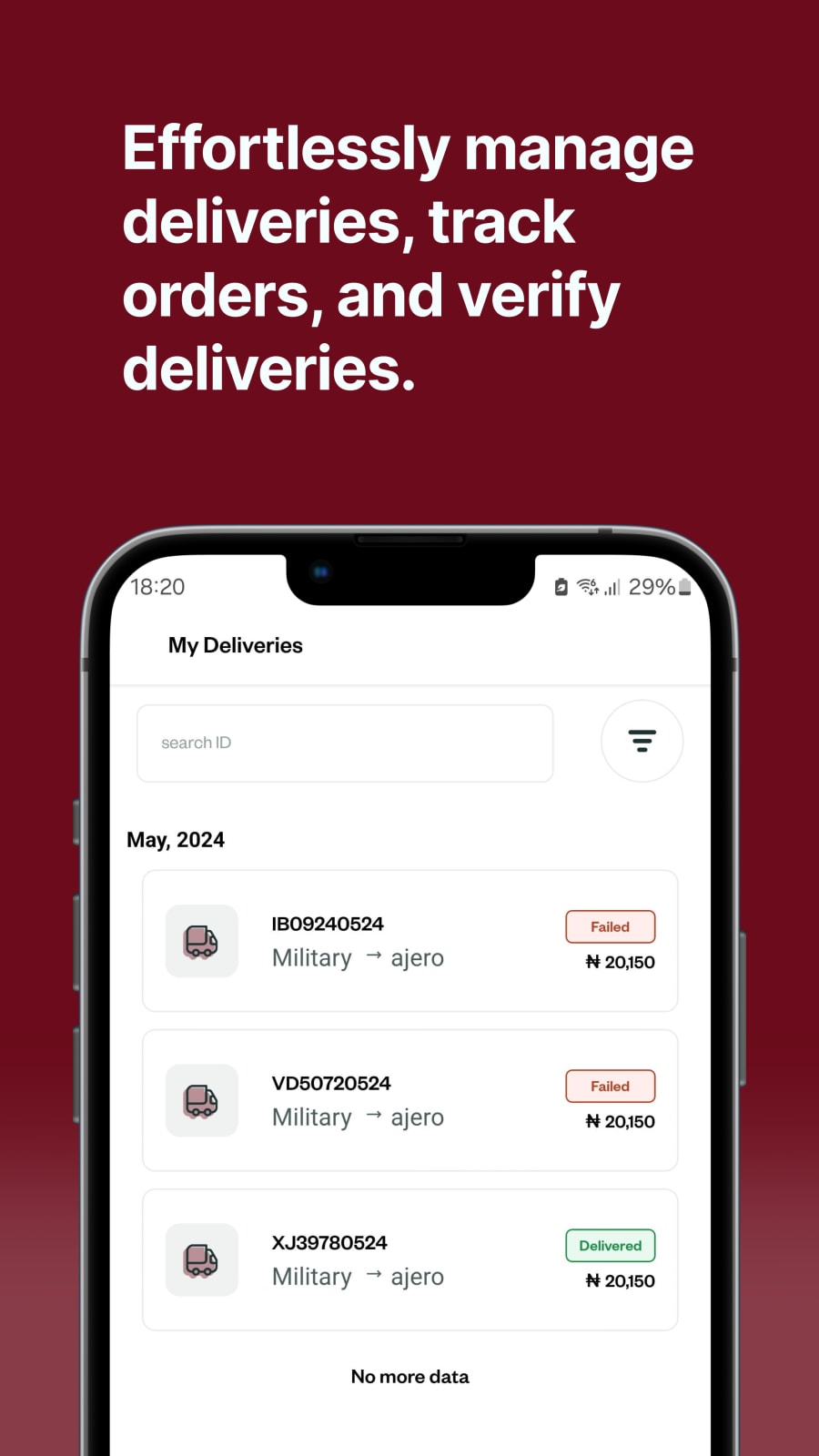
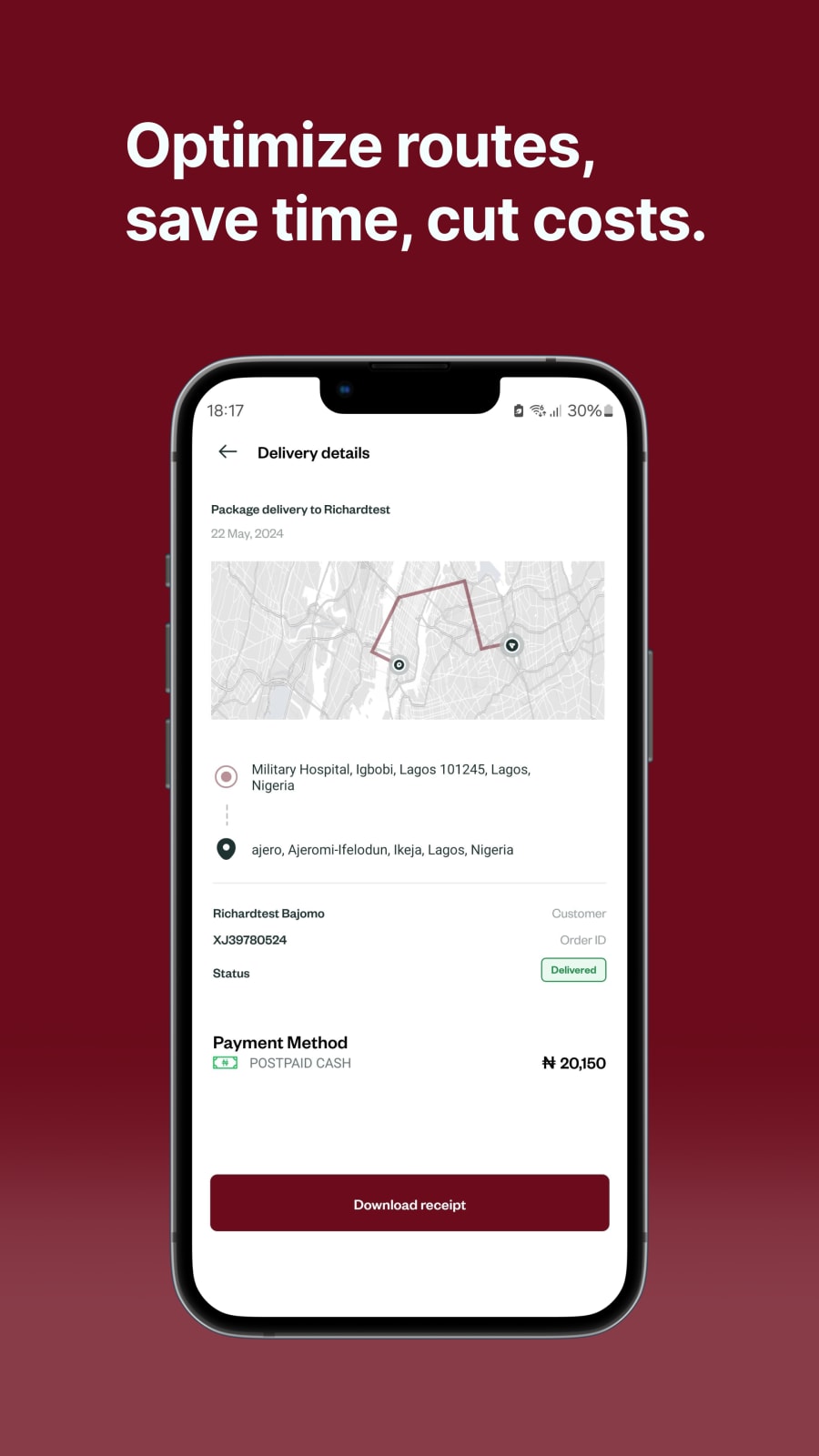
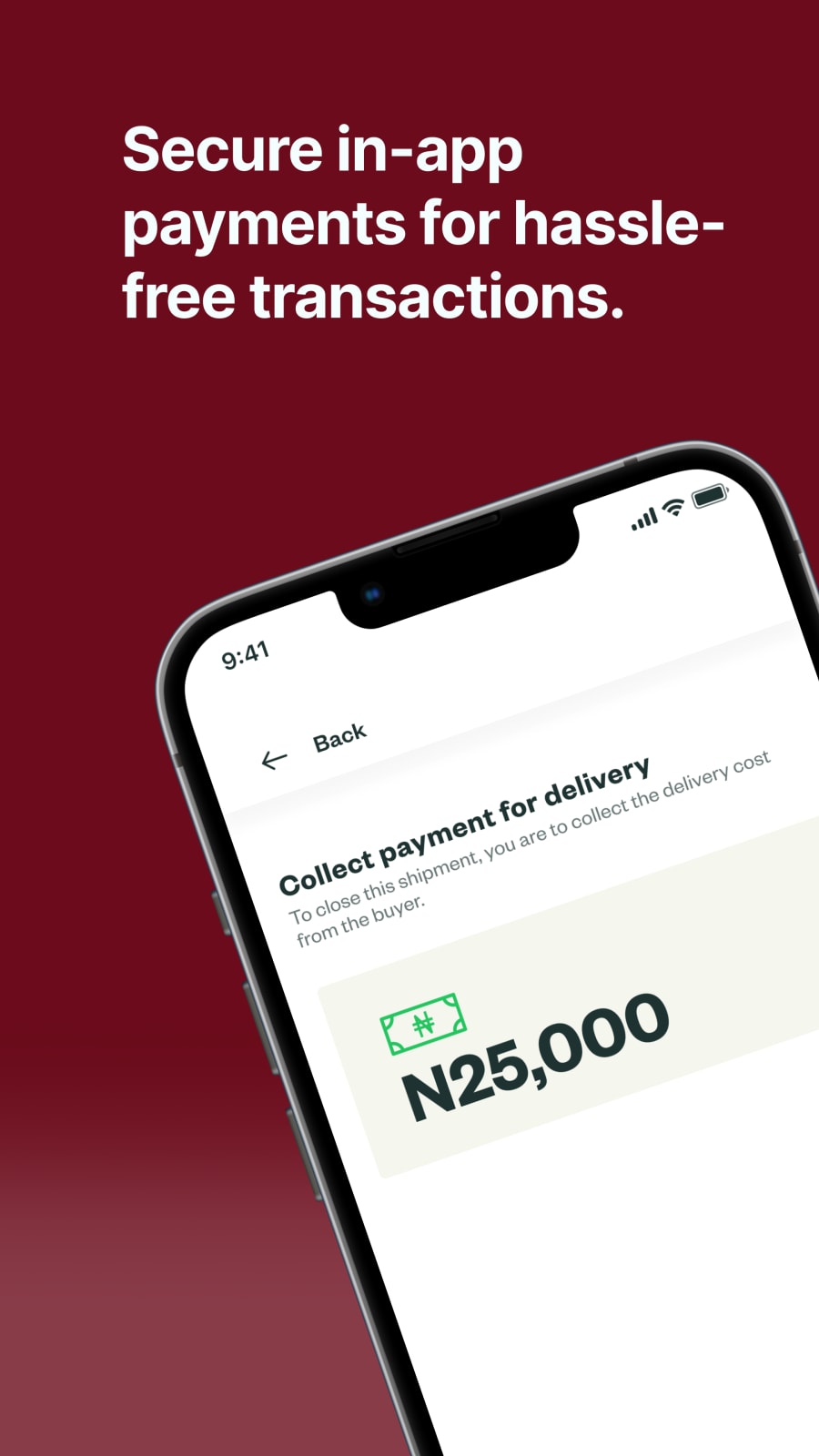
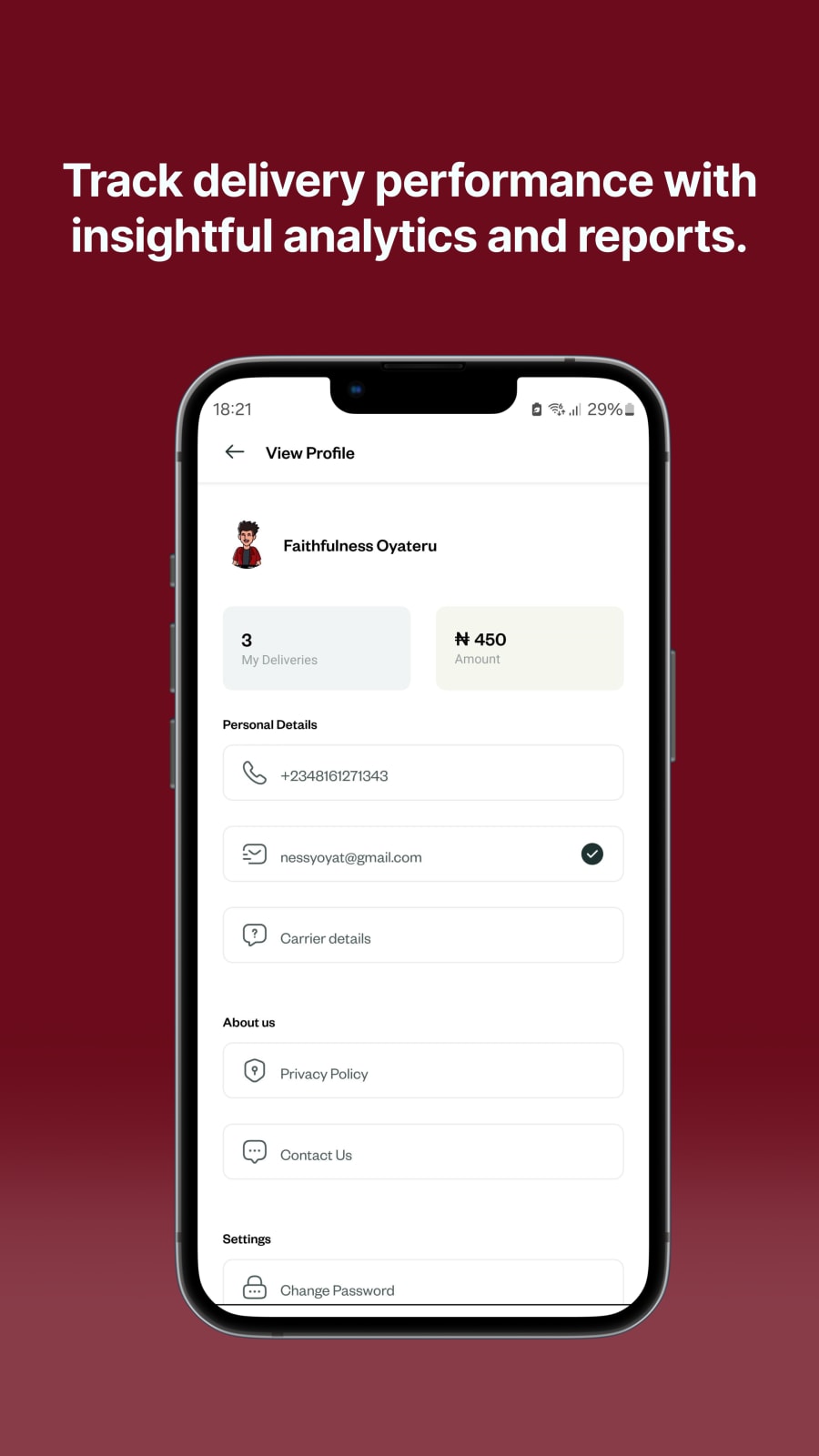
What did you do on it?
Thought for 3s
I was a Senior Product Designer at Sabi Africa. Like Sabi Market, LOFT was shared across a small design team and picked up task by task, so I designed across both sides: the driver app and the admin portal. I designed it; Sabi's engineers built it.
What was broken before?
Thought for 4s
The research framed it plainly: traditional logistics ran on manual paperwork and inefficient dispatching, and without real-time vehicle tracking nobody could see where an order was. That meant delays and higher costs. The goal was a digital flow where every handover is recorded as it happens.
Then · Before
Paperwork, manual dispatch and no live view of the vehicle. Delays and costs nobody could trace.
Now · With LOFT
Orders become trips in the admin portal, and the driver confirms pickup, quantities and delivery in the app.
How does a driver take on a trip?
Thought for 2s
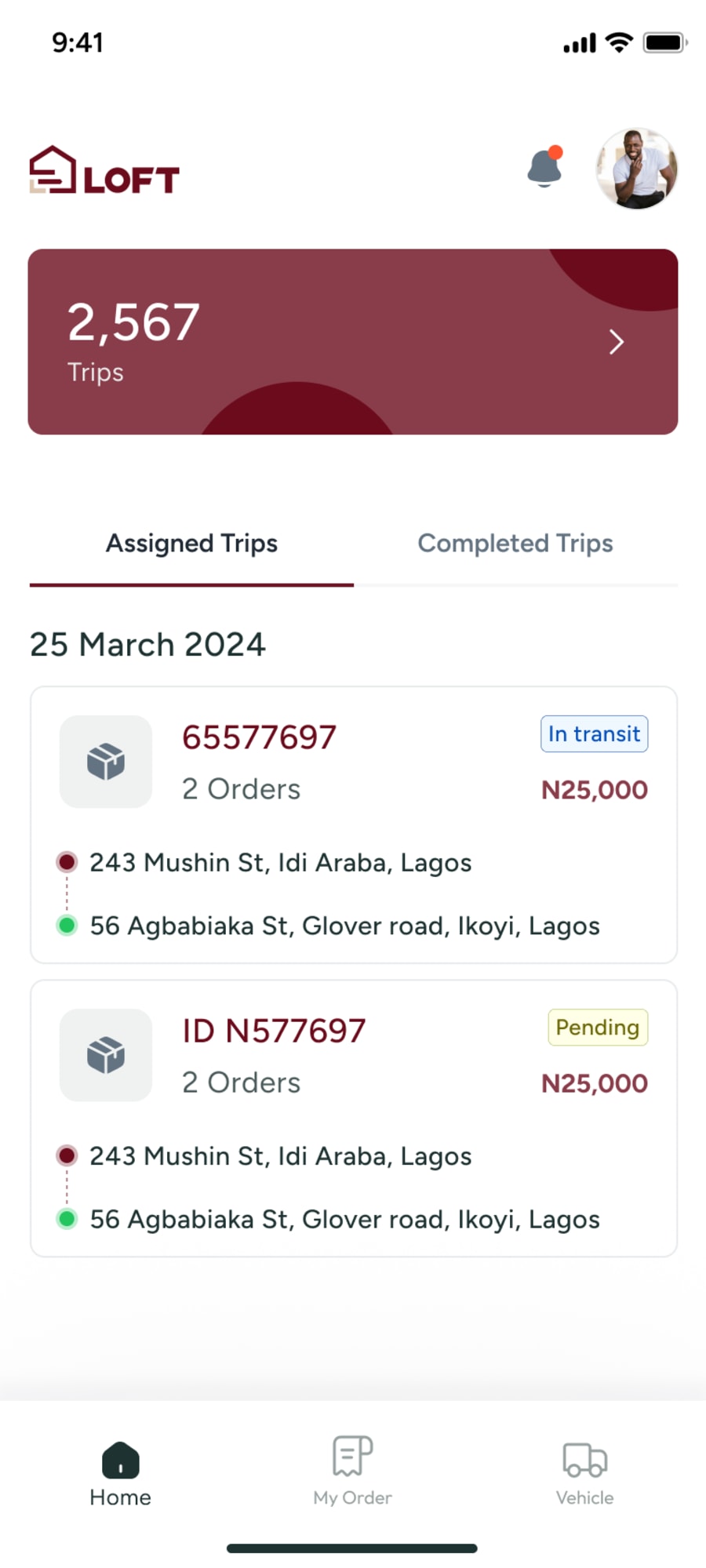
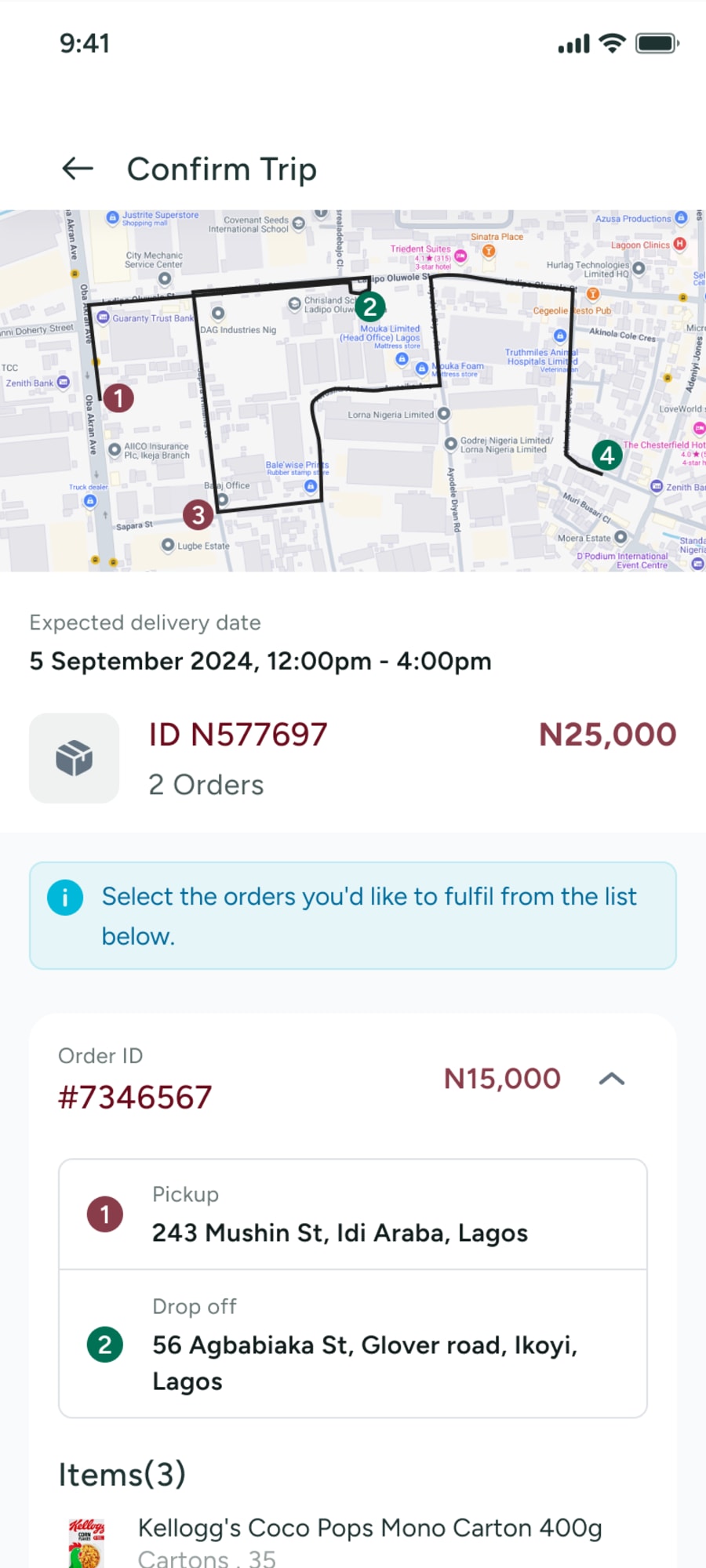
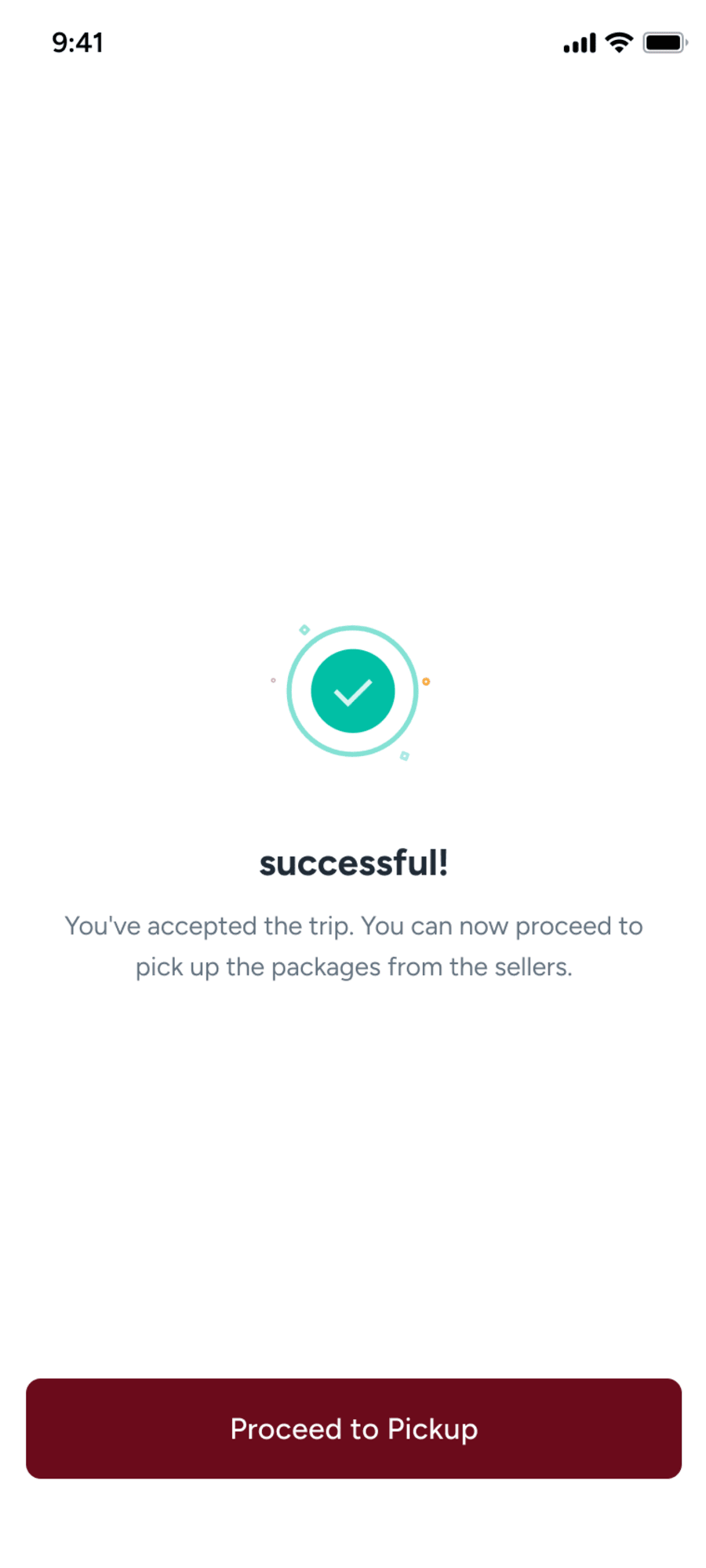
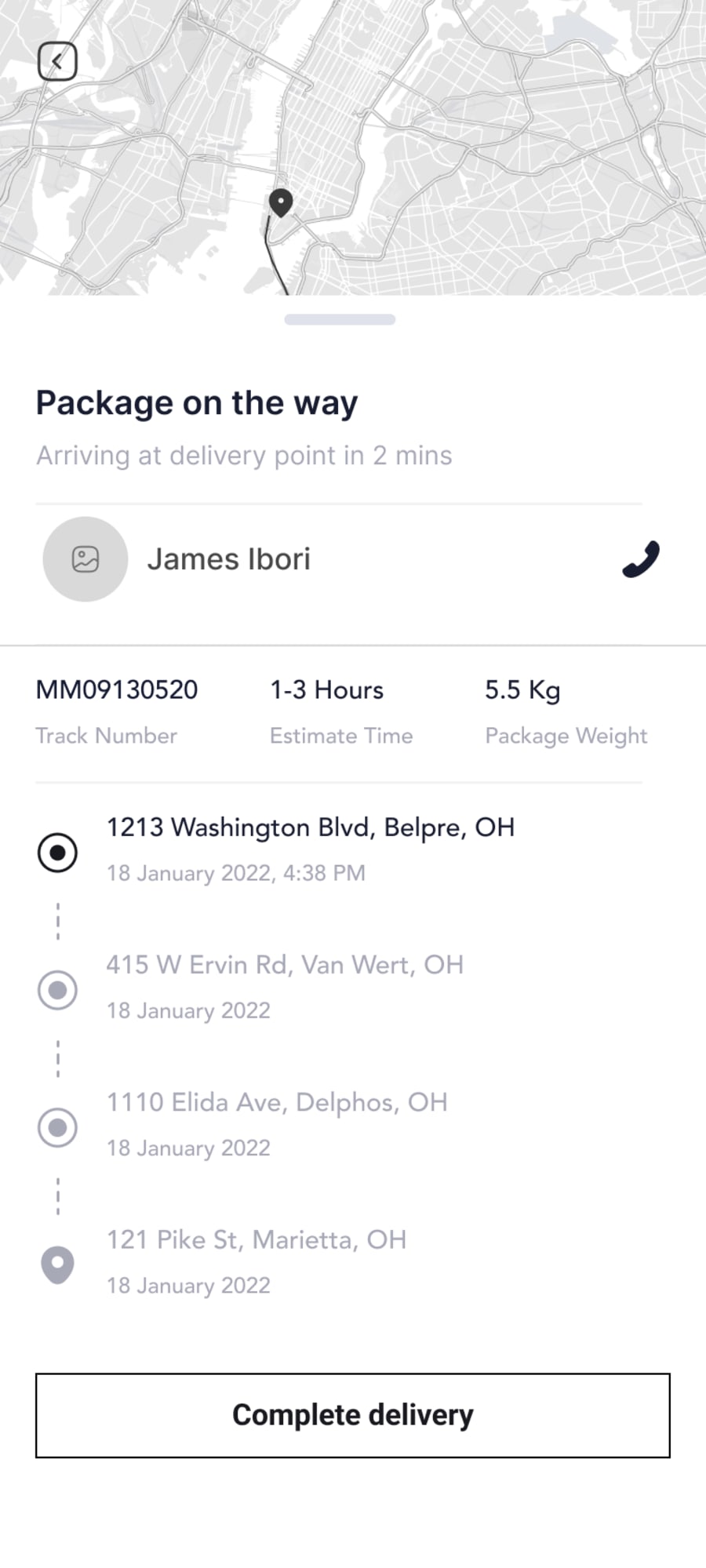
A trip bundles several orders. The driver sees the delivery window, the trip's value and every order's pickup and drop-off on a map, then chooses which orders to accept before confirming. They can reject the whole trip. Once confirmed, the app sends them straight to pickup.
What if the supplier doesn't have everything?
Thought for 3s
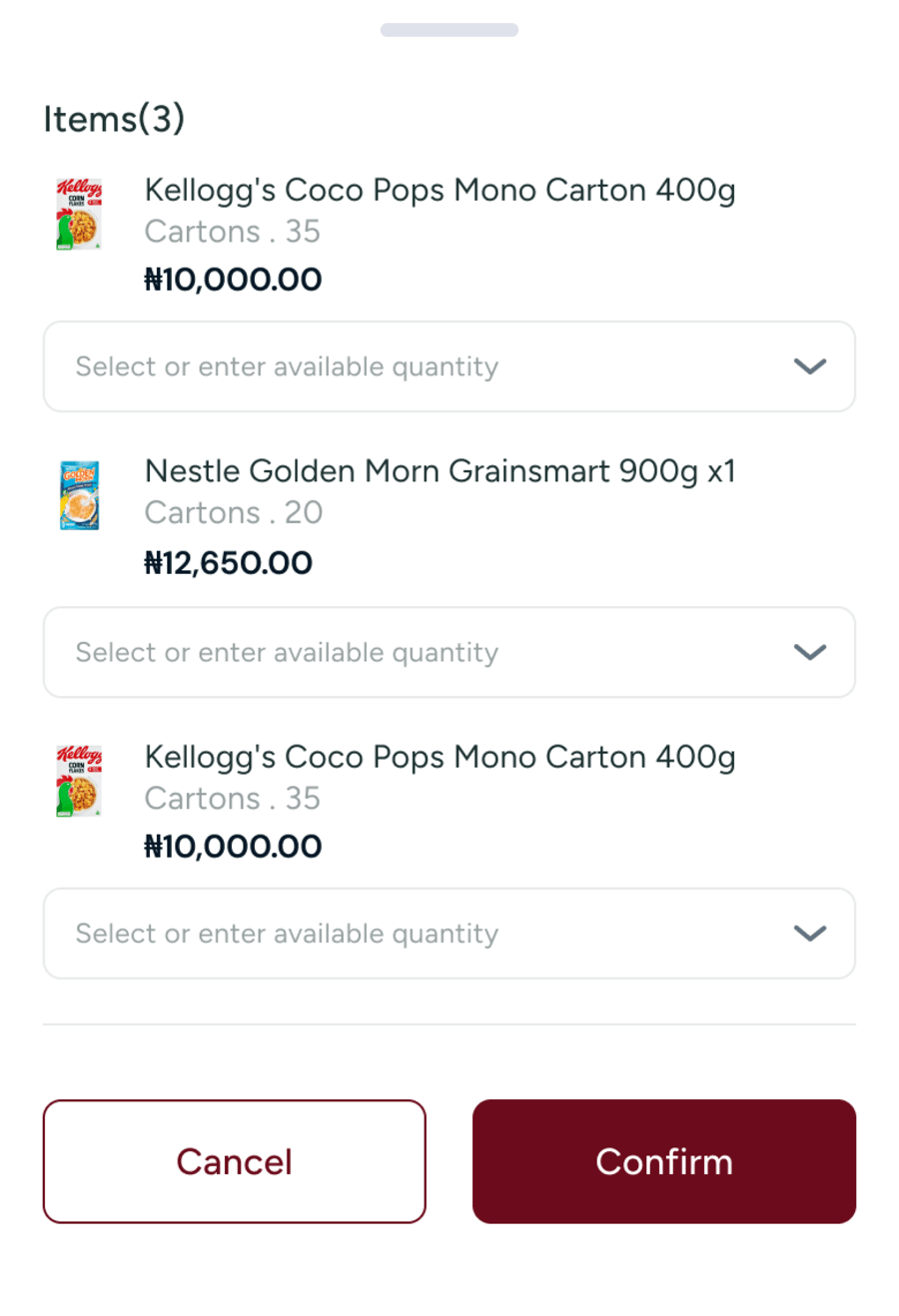
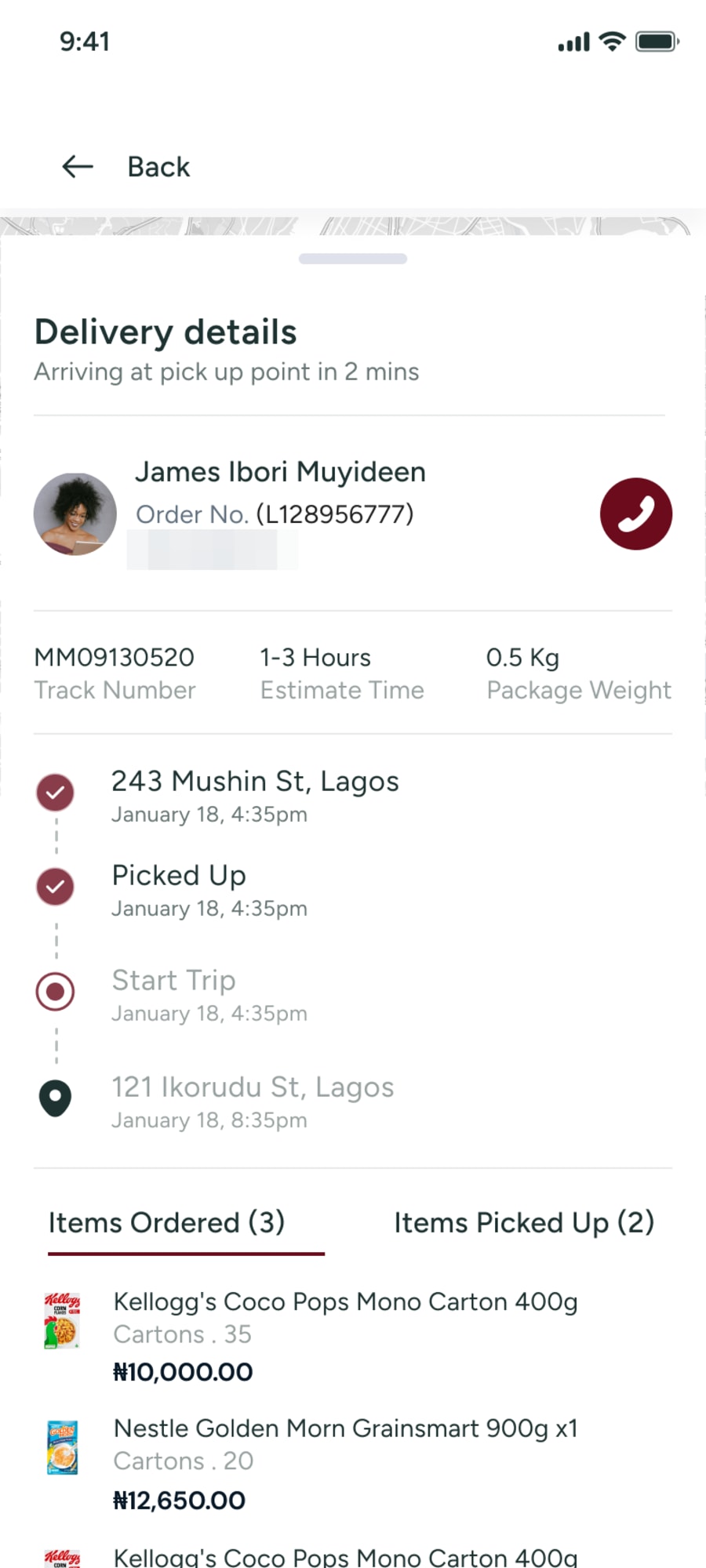
It happens, so the app plans for it. At pickup the driver enters the quantity actually available for each item, or reports an issue. The delivery then shows items ordered and items picked up side by side, with the cash due, before the driver starts the trip. Nobody finds the shortfall at the shop door.
How do you prove a delivery happened?
Thought for 4s
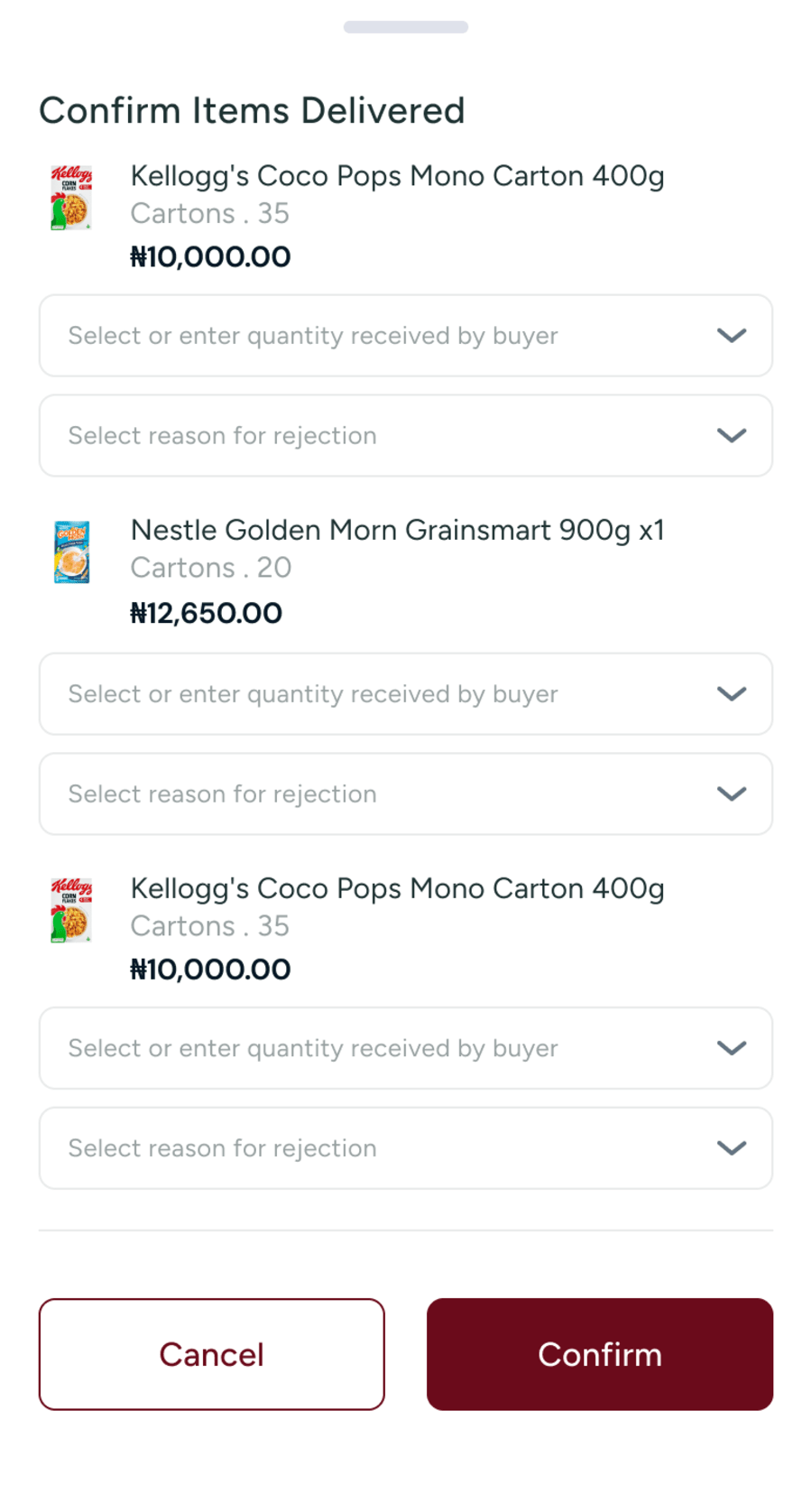
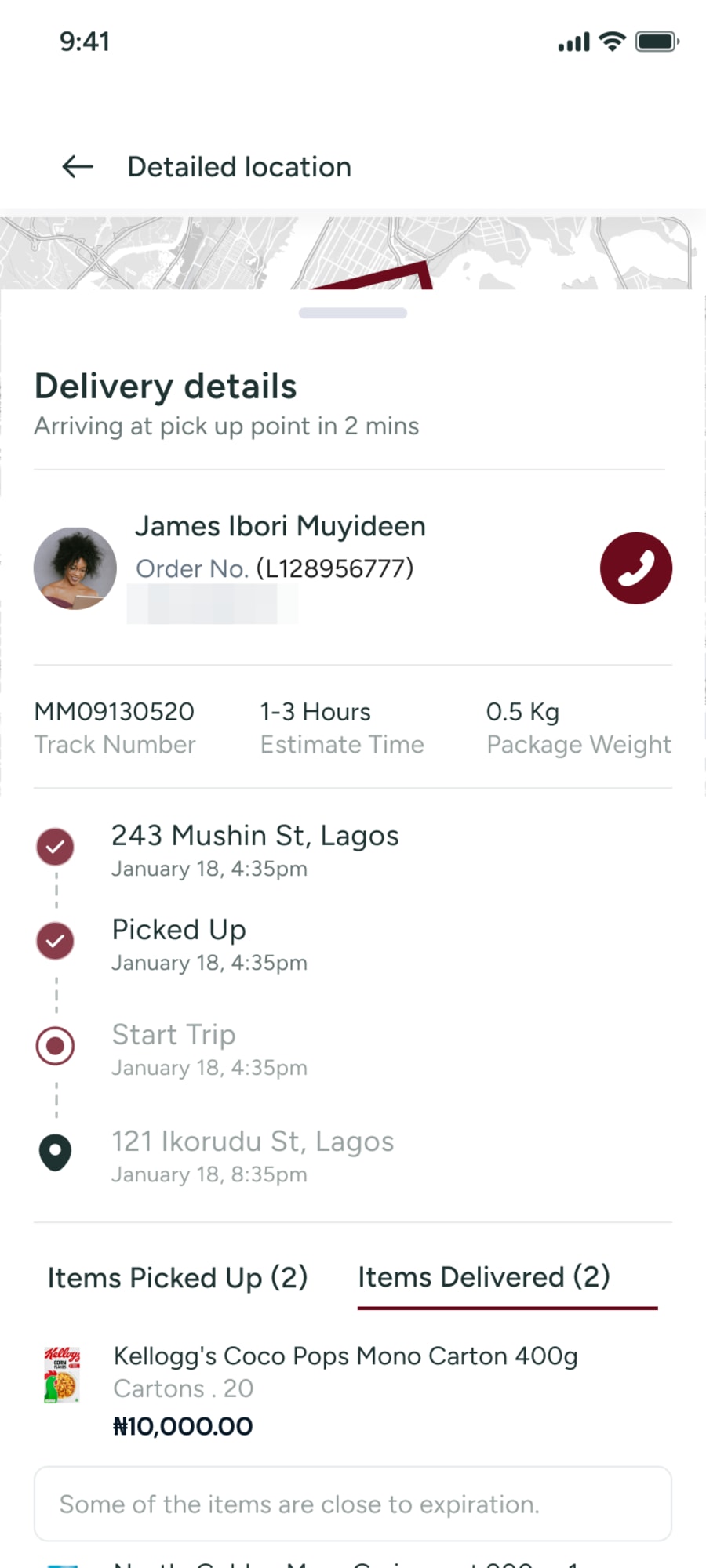
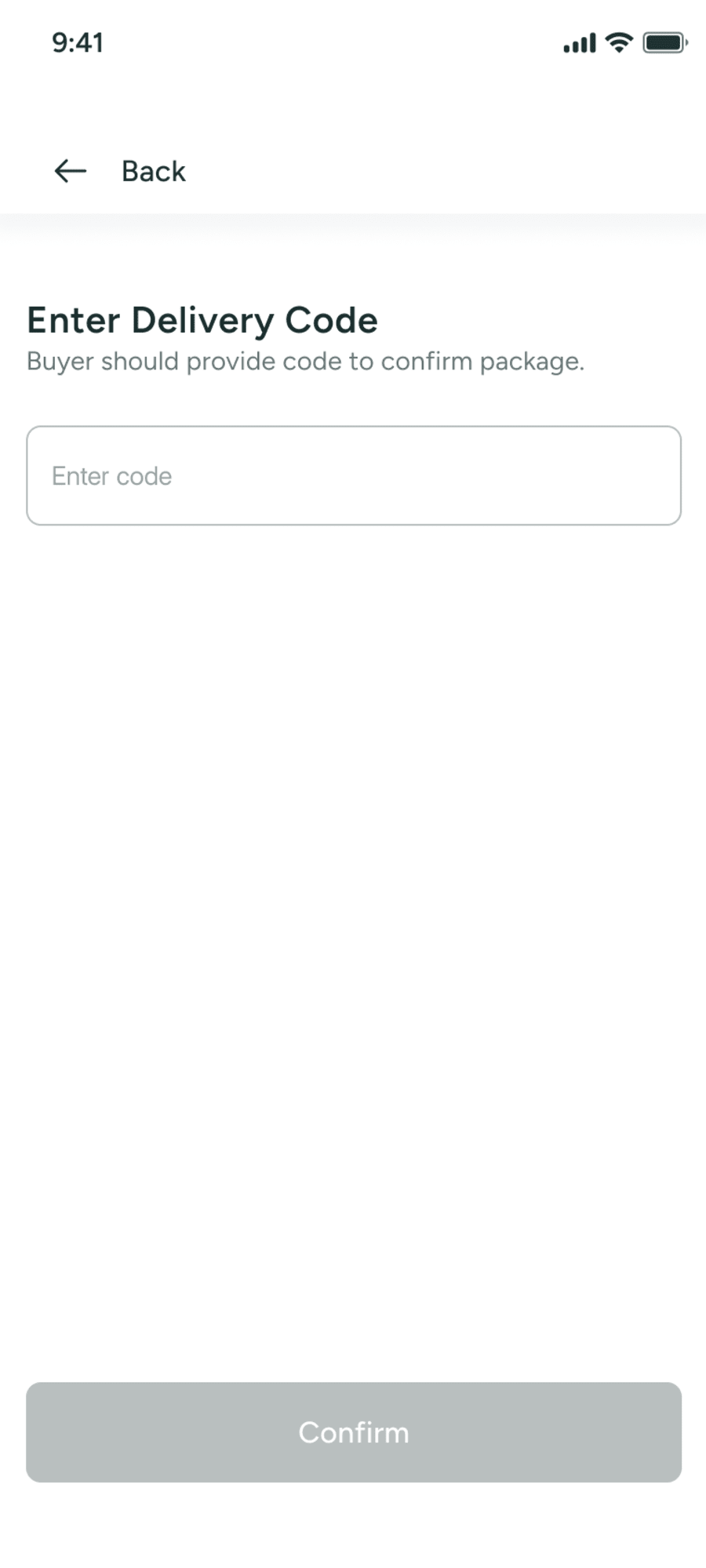
At the drop-off the driver records the quantity the buyer received for each item, with a reason for any rejection, such as items close to expiry or damaged. The buyer gives the driver a delivery code to confirm the package, and only then does the driver collect payment. Every handover leaves a record.
Who gets to drive for LOFT?
Thought for 2s
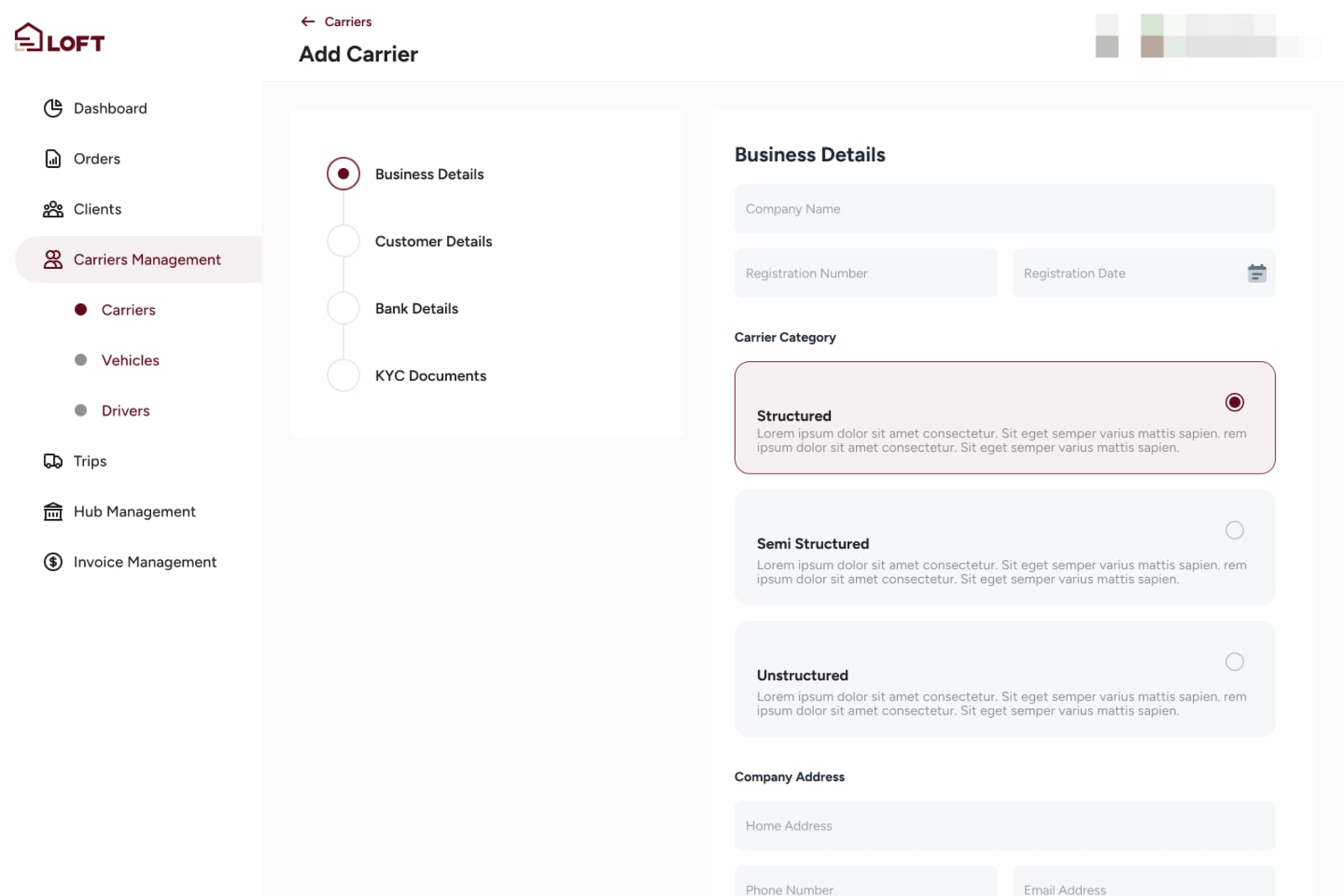
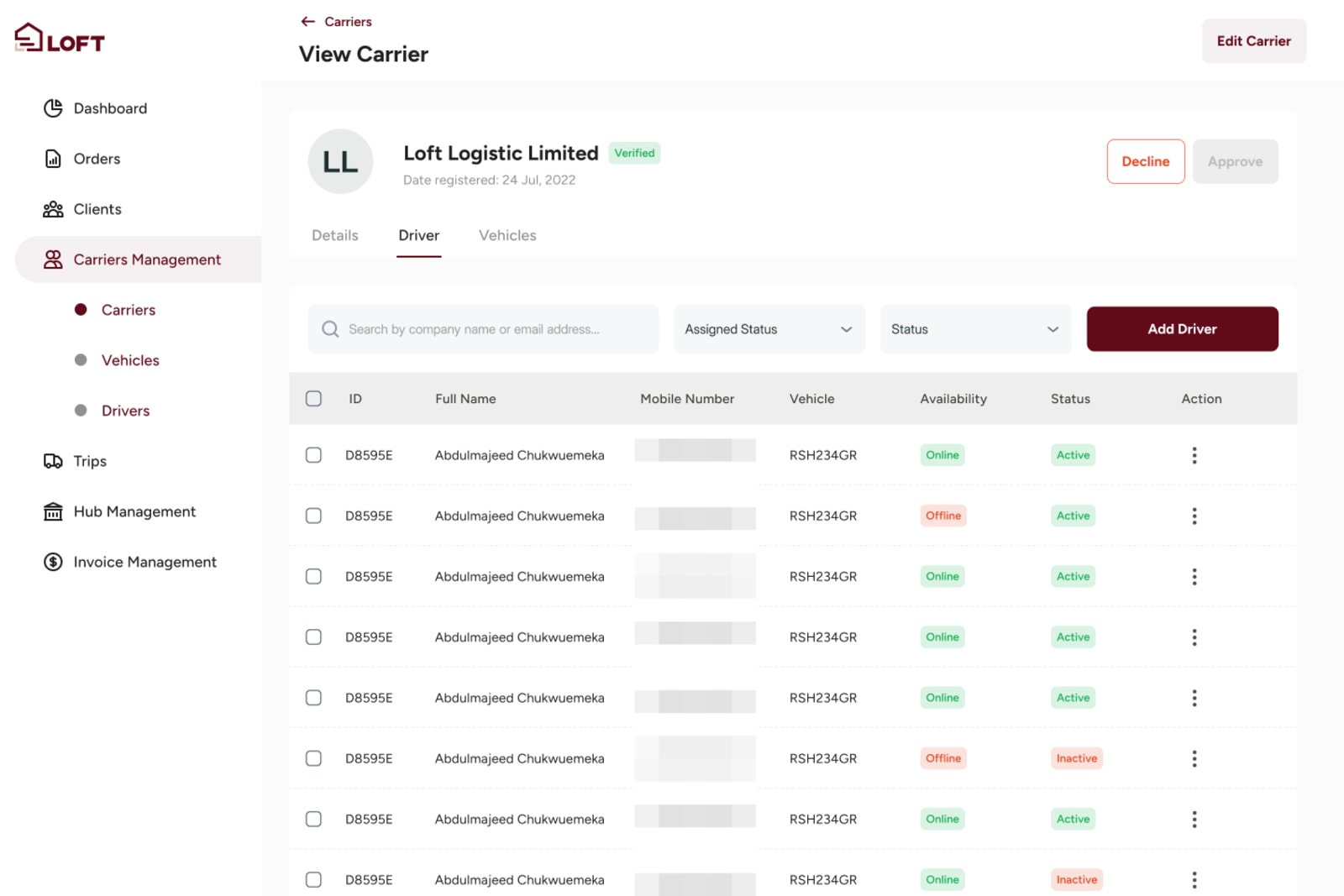
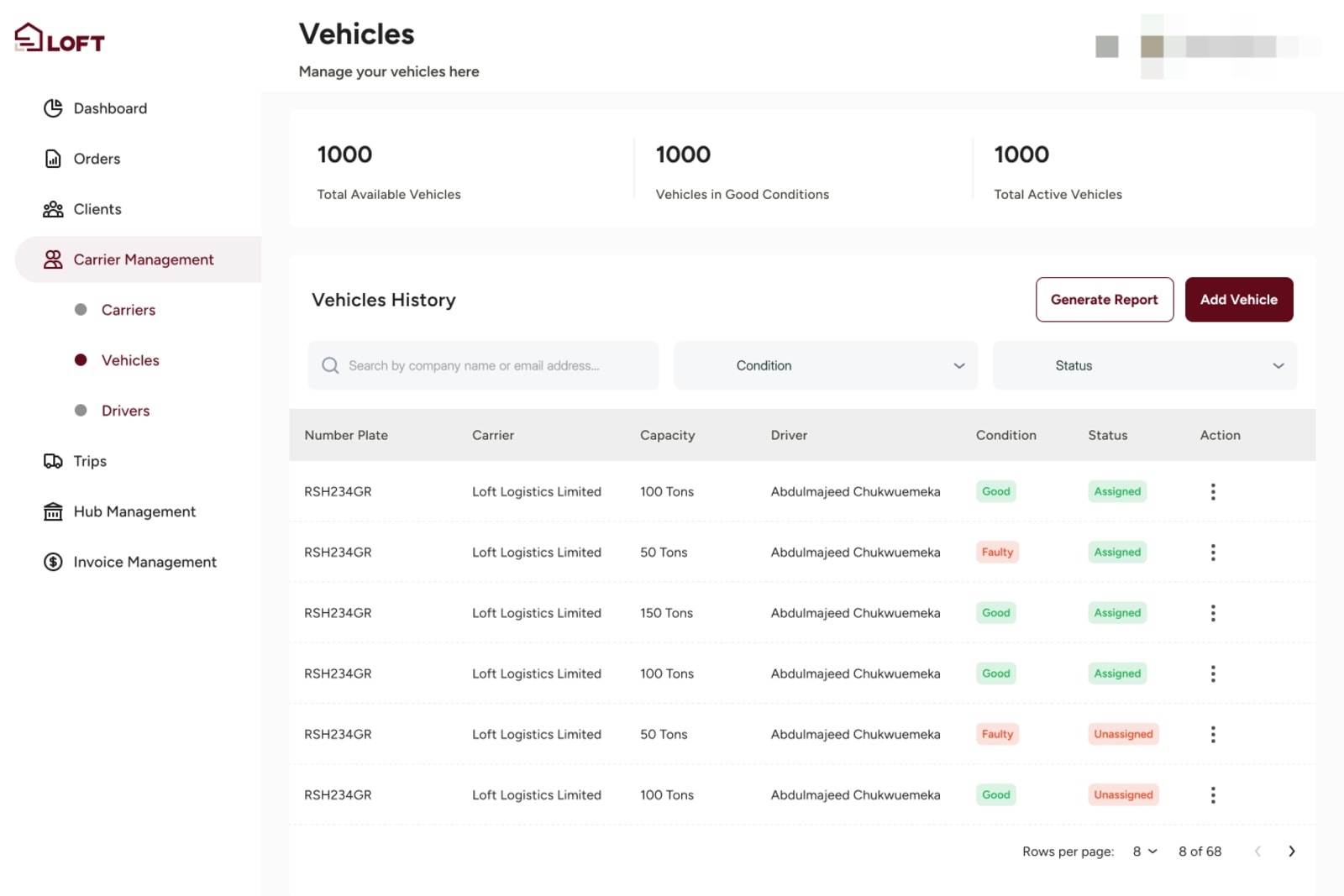
Carriers are vetted before they dispatch anything. Adding one is four steps, business, contact, bank and KYC documents, from proof of address and CAC certificate to insurance, the executed contract and guarantors' IDs, then a preview and an approve or decline. Each carrier has its drivers (online or offline, and suspendable with a reason) and its vehicles, tracked by capacity and condition.

How does an order become a trip?
Thought for 3s
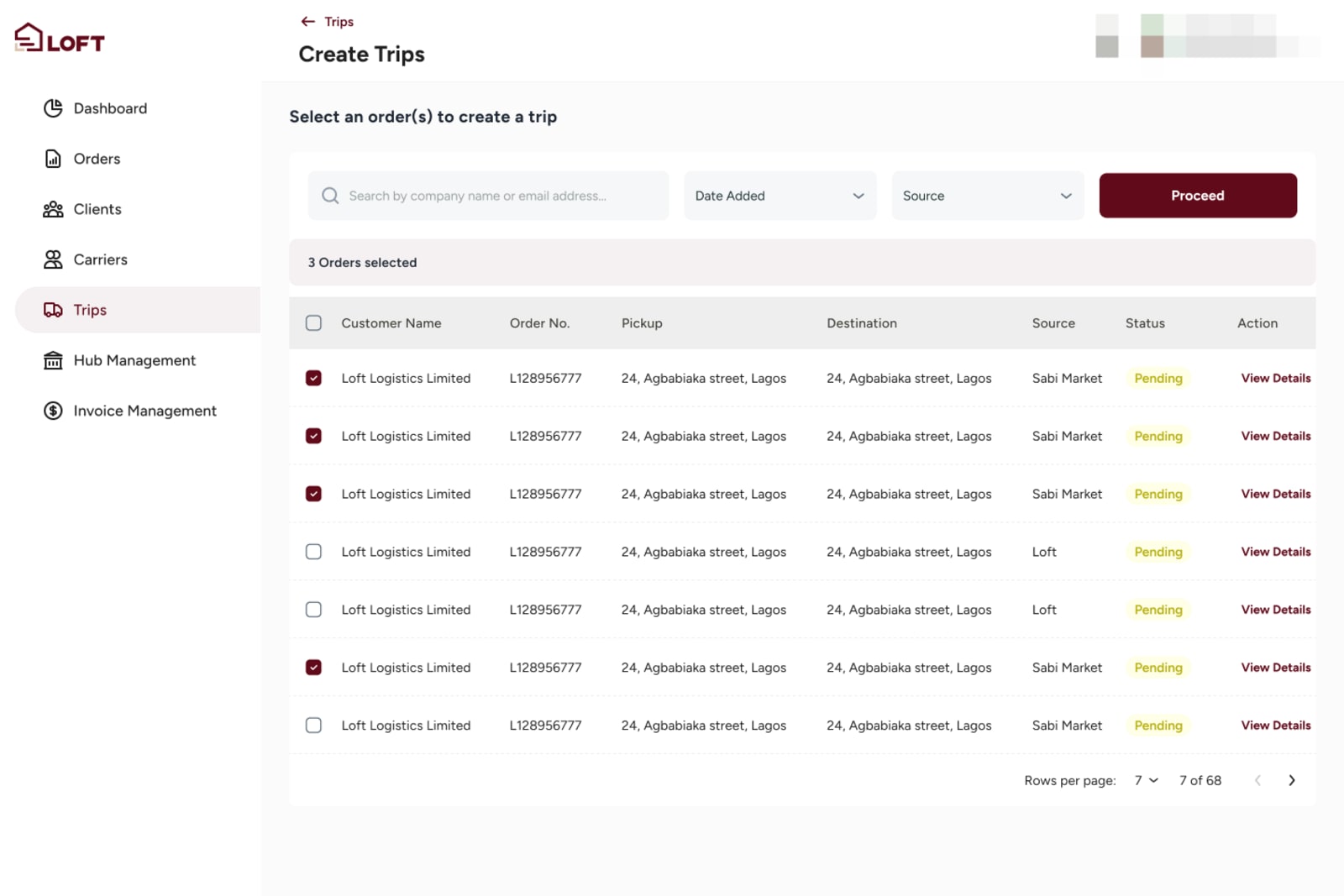
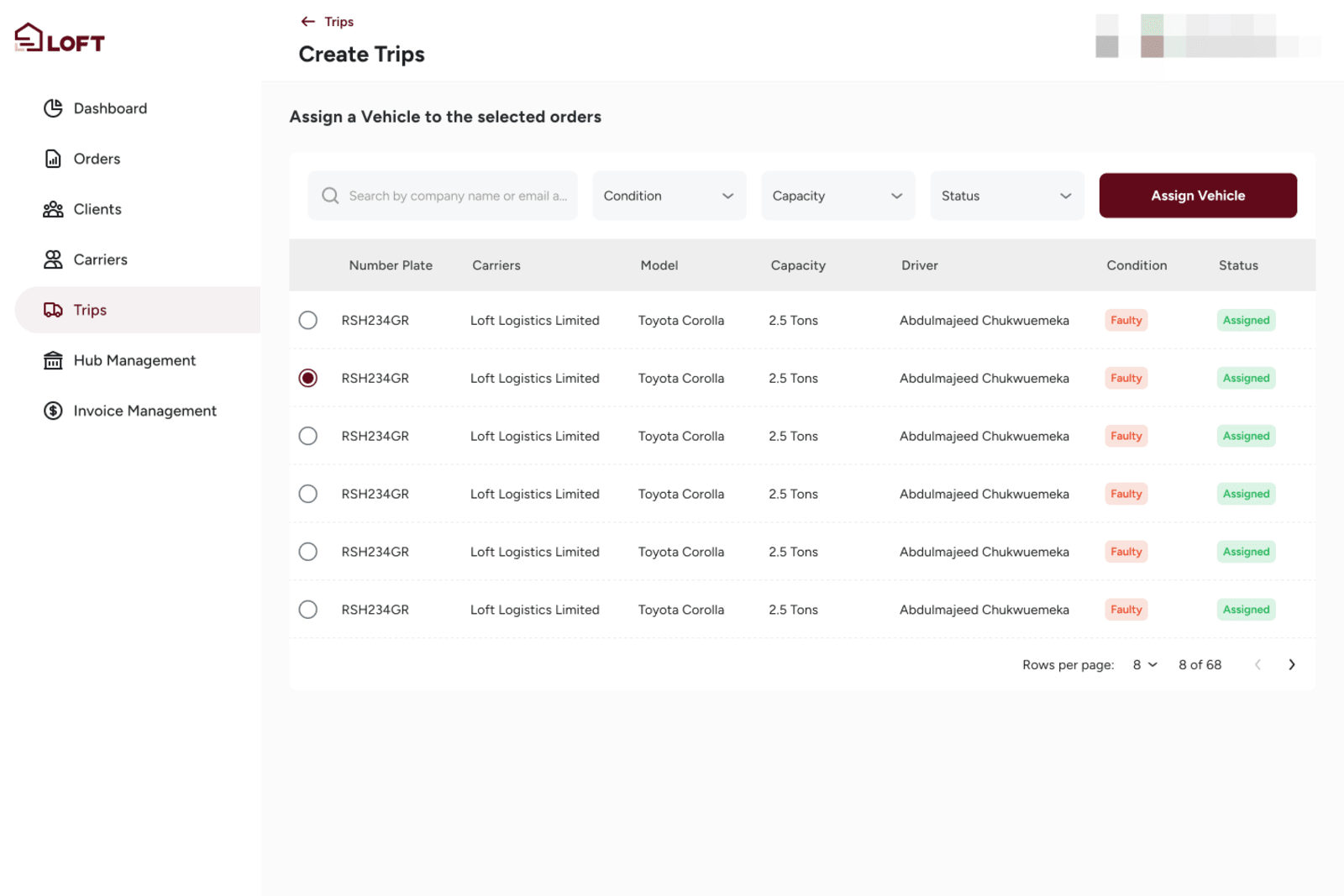
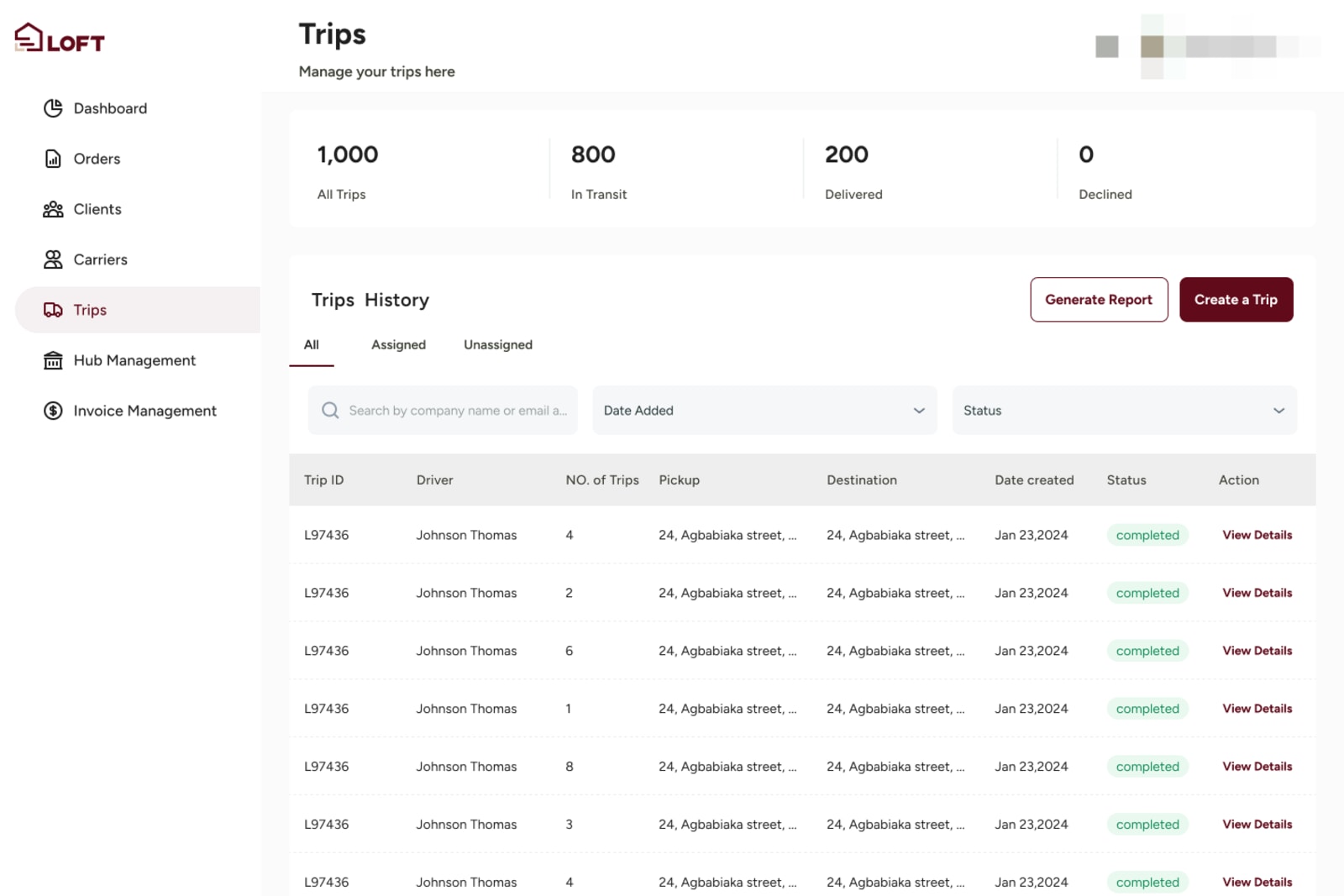
In the admin portal, ops selects orders, from Sabi Market or LOFT's own clients, then assigns a vehicle filtered by condition, capacity and status, reviews it and creates the trip. Each order keeps a timeline that tells the truth, including when a driver declined and the package was reassigned, and when it was delivered partially.

What does LOFT look like?
Thought for 4s
A deep maroon and a house-shaped mark: LOFT is about getting goods home. I didn't design the logo, but the same palette runs through the screens I worked on, the driver app and the admin portal, and the store listing, where each screenshot leads with one job the app does.

What did LOFT teach you?
Thought for 2s
That logistics is a chain of handovers, and each one needs a record: what was picked up, what was received, and who confirmed it. That the plan changes on the road, so partial pickups, rejections and reassignments are the normal path, not edge cases. And that the admin and the driver must see the same truth.
- Design the partial pathShort pickups and partial deliveries happen daily; give them a screen.
- Proof at every handoverQuantities at pickup, quantities received, and a code from the buyer.
- Vet before you dispatchCarrier KYC comes before the first trip, not after the first problem.
- One timeline for everyoneDeclines and reassignments show up for ops as they happen.
Thinking
The scripted part of this conversation carries the verified facts. Live answers only use what's on this site.