Case study
Sabi Market
ShippedSabi's B2B marketplace app, redesigned: shop owners restock from suppliers in wholesale quantities, choose delivery or pickup, and pay six ways, including split payment.
The scripted part of this conversation carries the verified facts. Live answers only use what's on this site.
Hi, this is Sabi Market, the B2B marketplace app I worked on at Sabi Africa. It's how shop owners restock from suppliers, and it shipped. Ask away, or just scroll.
What is Sabi Market?
Thought for 2s
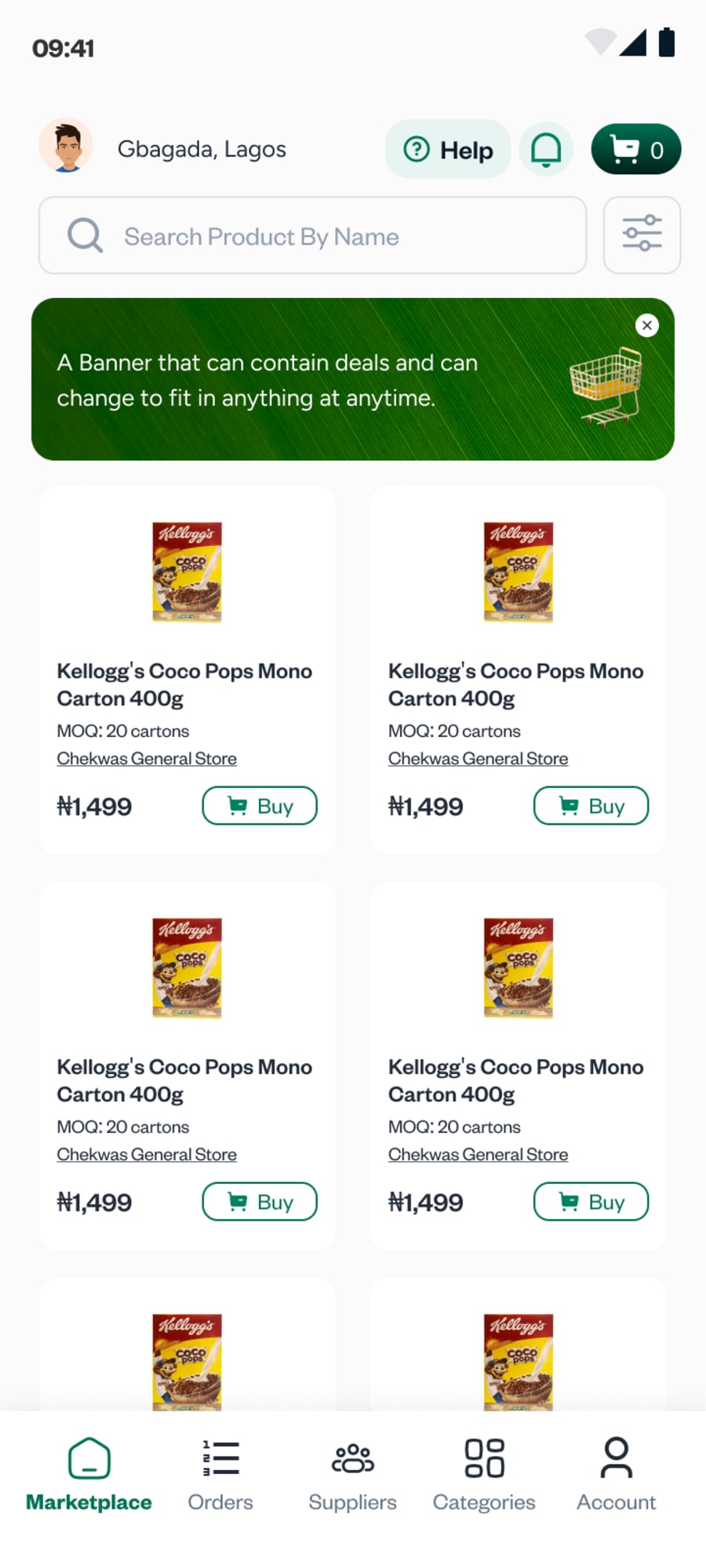
Sabi Market is Sabi's B2B marketplace: shop owners restock from suppliers on their phone, buying in wholesale quantities (a product lists its minimum order in cartons), choosing delivery or pickup, and paying however works that day. This case study is the redesign of the mobile app, done to carry Sabi's updated brand and to fold in what stakeholder feedback and app testing had shown. It shipped.
- sides: buyers restocking and sellers supplying
- 2sides: buyers restocking and sellers supplying
- ways to pay at checkout
- 6ways to pay at checkout
- steps in order tracking, from processing to delivered
- 10steps in order tracking, from processing to delivered
What did you do on it?
Thought for 3s
I was a Senior Product Designer at Sabi Africa. The redesign was shared across a small design team and picked up task by task, so I designed across the product rather than owning one corner: buyer flows, seller flows and payments. I also designed SANDS, the design system the app is built on. I designed it; Sabi's engineers built it.
What was the redesign for?
Thought for 4s
Five goals came out of the project brief. Carry the updated brand properly. Fix what stakeholder feedback and app testing had surfaced. Meet accessibility standards. Design for everyone who runs a small shop, including people who aren't confident on a phone. And tighten the micro-interactions, so every tap, state and transition says what just happened.
- Brand alignmentThe app reflects Sabi's updated identity and values.
- Usability from evidenceStakeholder feedback and testing insights drive the changes.
- AccessibilityRecognised accessibility standards, from contrast to touch targets.
- Inclusive designInterfaces that work for diverse users and abilities.
- Micro-interactionsClear feedback on every state, so nothing feels uncertain.
How is buying for a shop different from shopping?
Thought for 2s
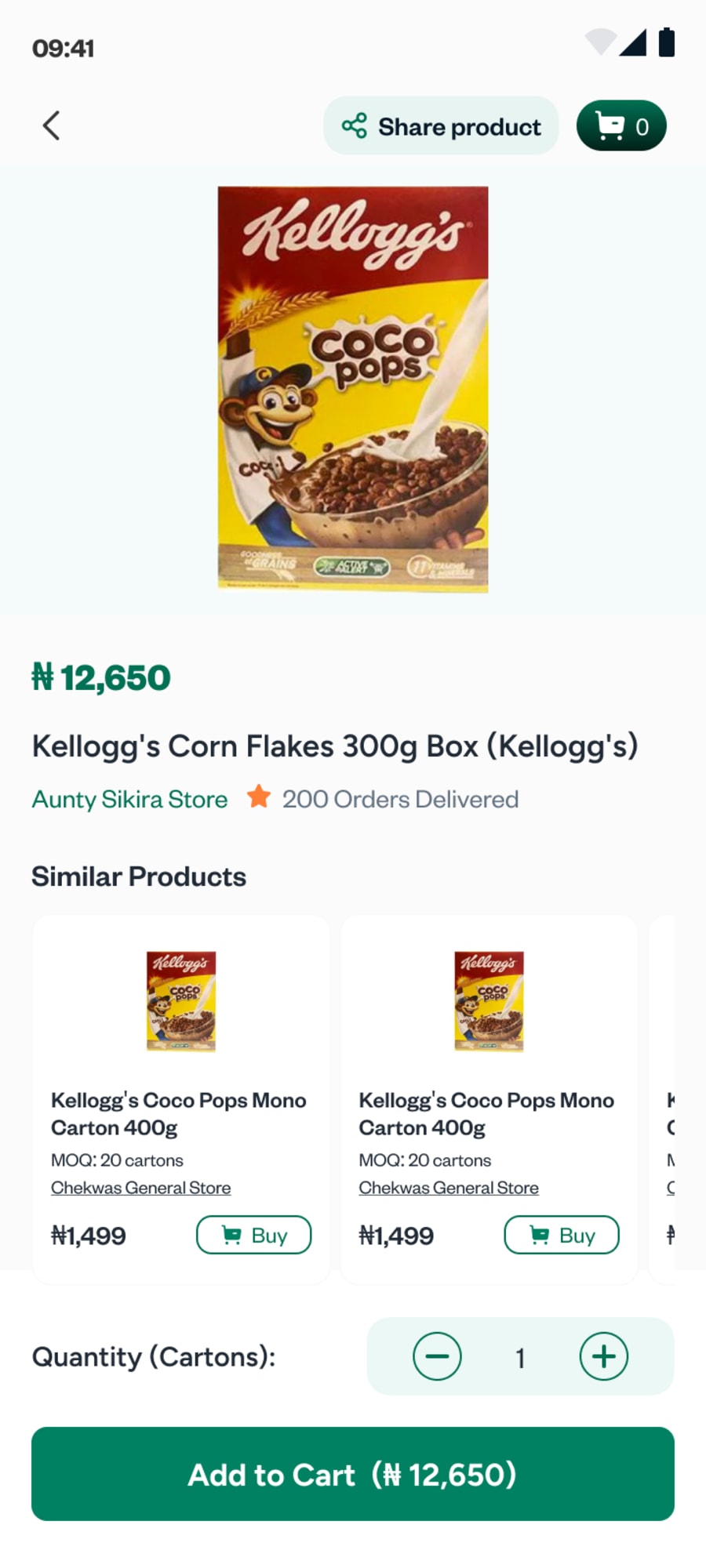
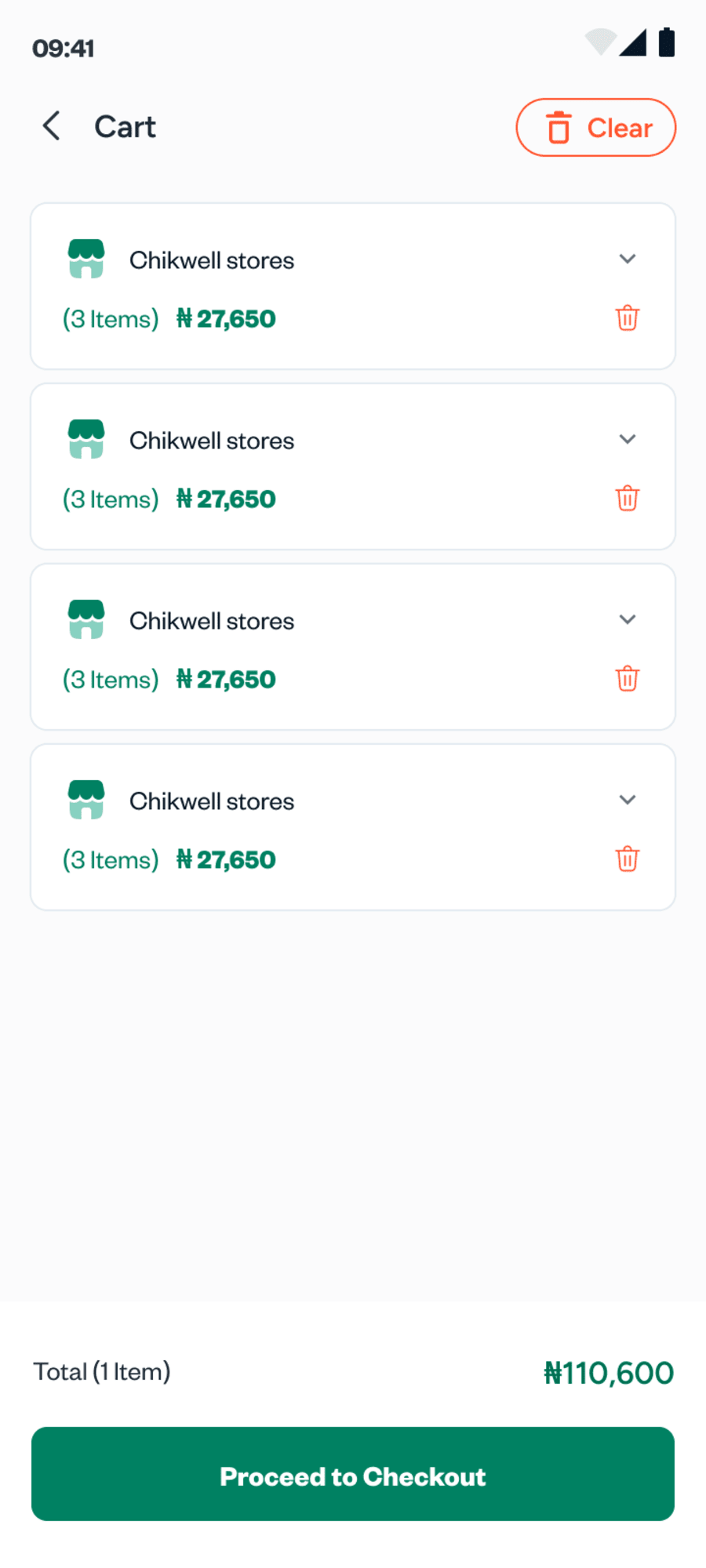
A shop owner buys by the carton, from a supplier they need to trust, often the same items every week. So each product shows its minimum order, the supplier store and how many orders it has delivered, and quantity steps in cartons. The cart groups items by supplier, because each supplier fulfils separately. Categories are organised the way a shop's shelves are: beverages, foodstuff, snacks, detergents, baby and kids.

How does checkout work?
Thought for 3s
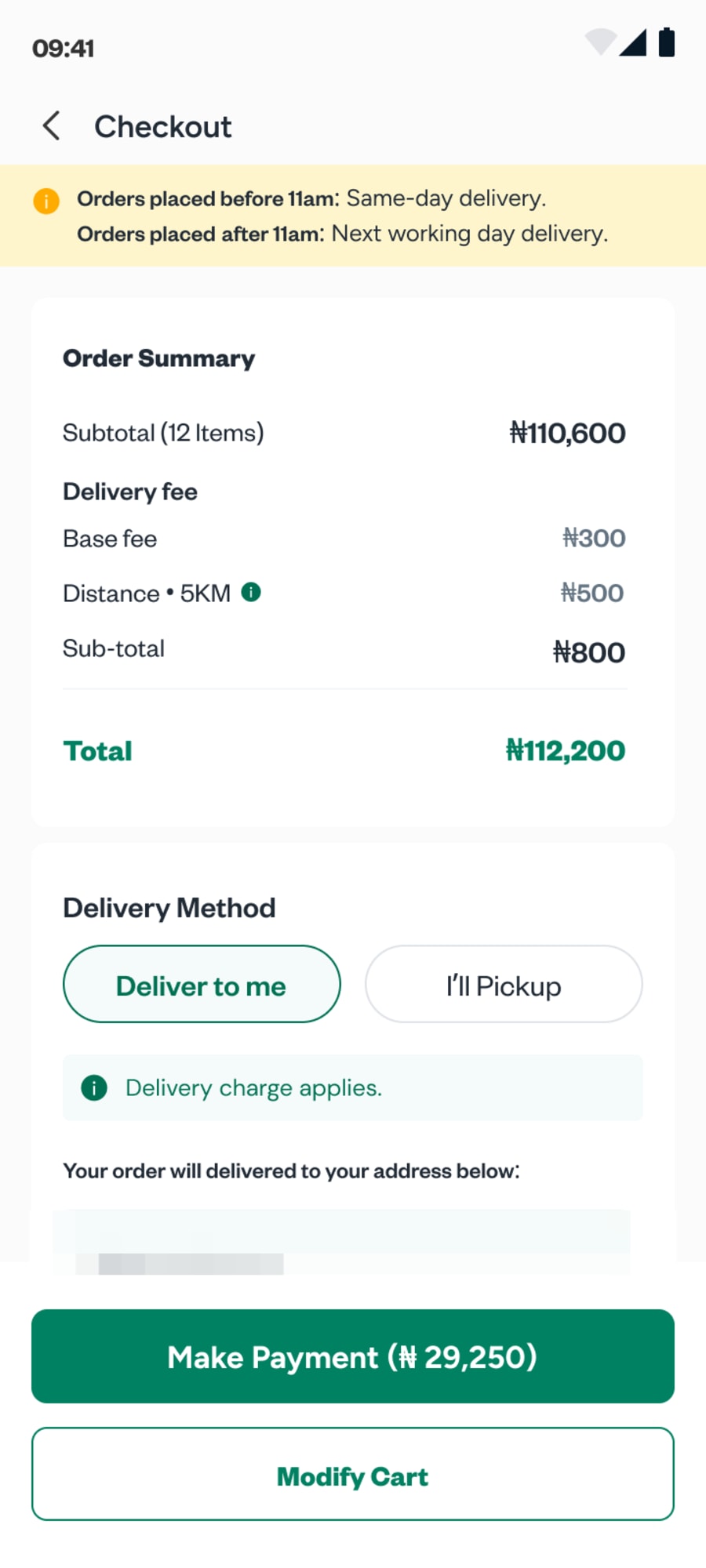
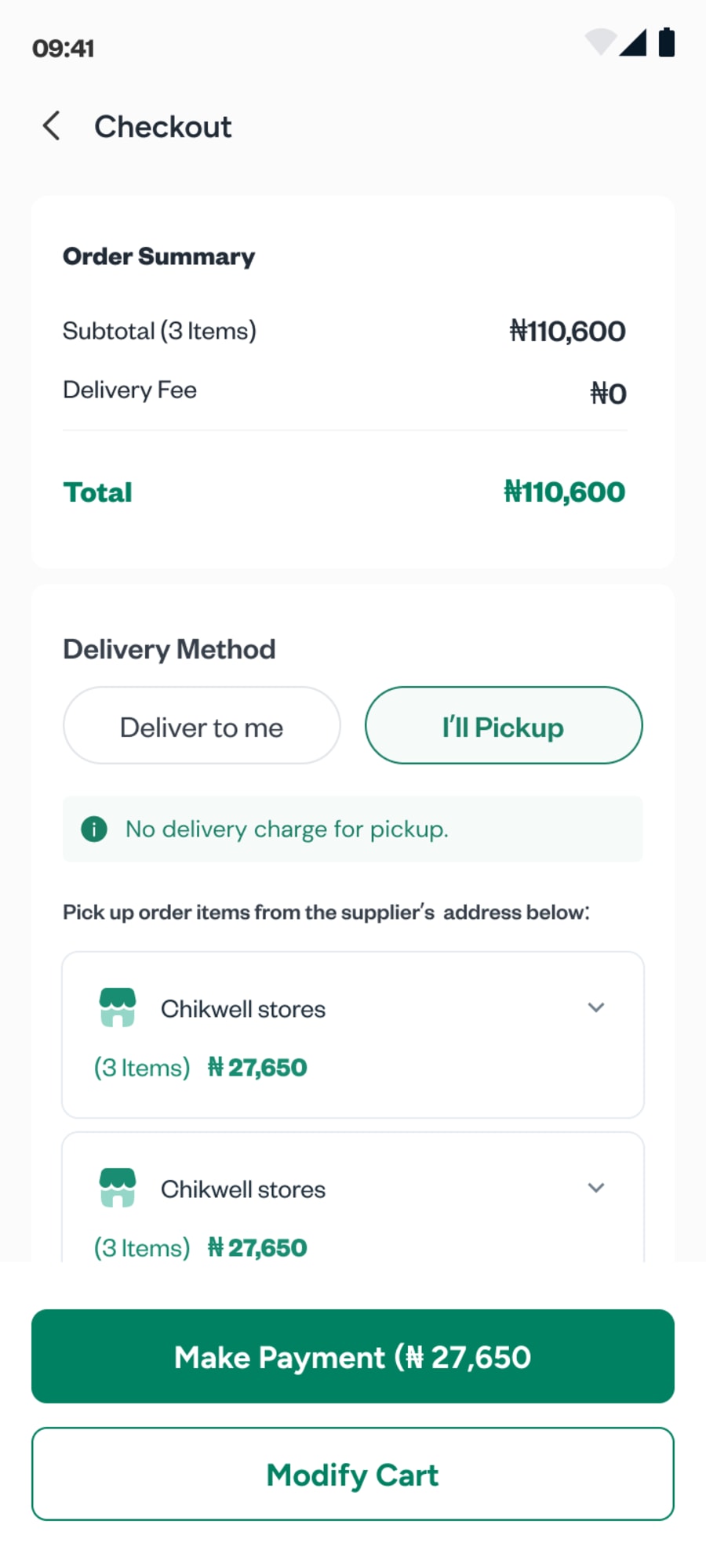
The first decision is Deliver to me or I'll pick up, and the screen changes with it. Delivery shows the fee broken into a base fee and distance, so the total is never a mystery, and a banner sets expectations up front: order before 11am for same-day delivery, after that it's the next working day. Pickup is free and lists each supplier's address for collection.
Why six ways to pay?
Thought for 4s
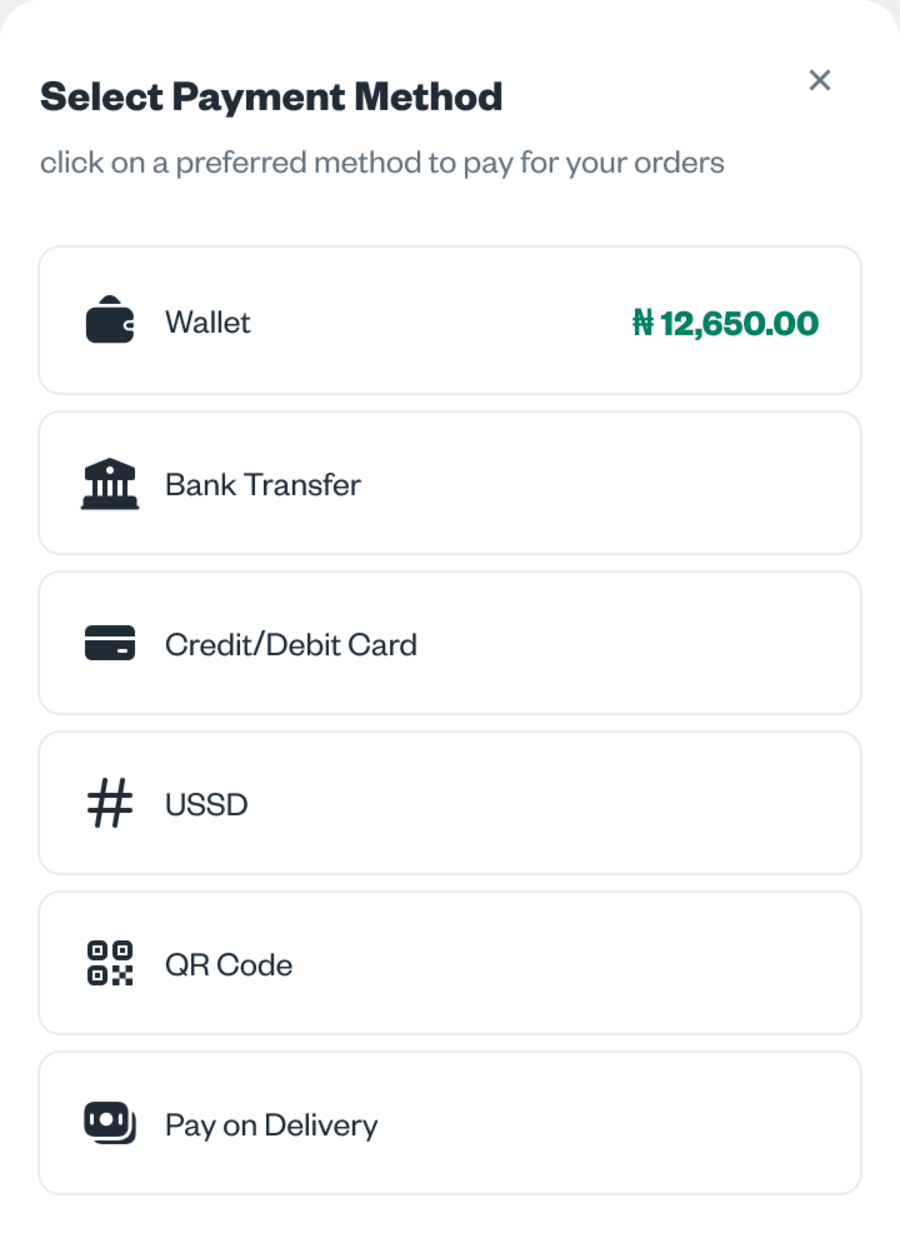
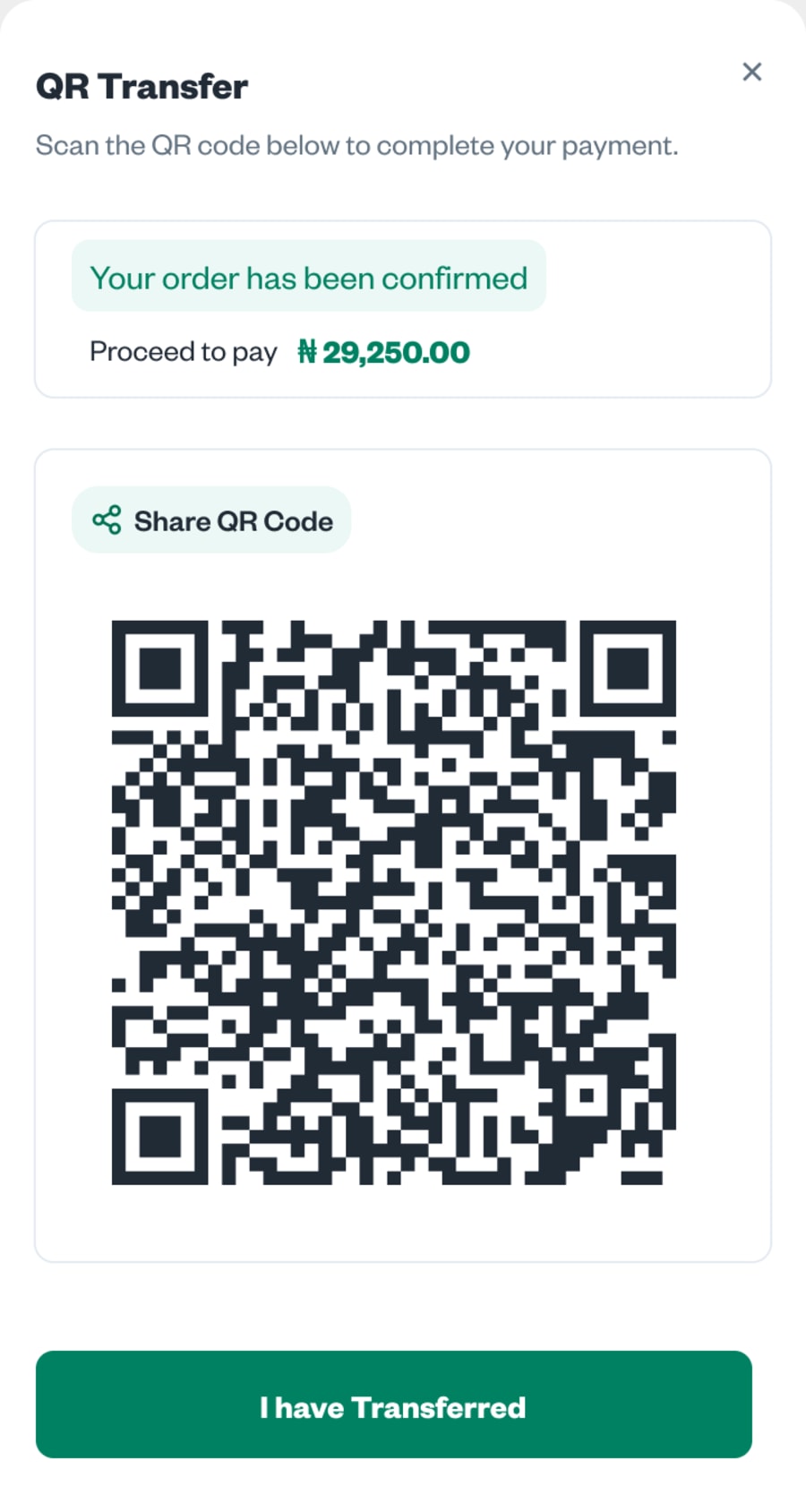
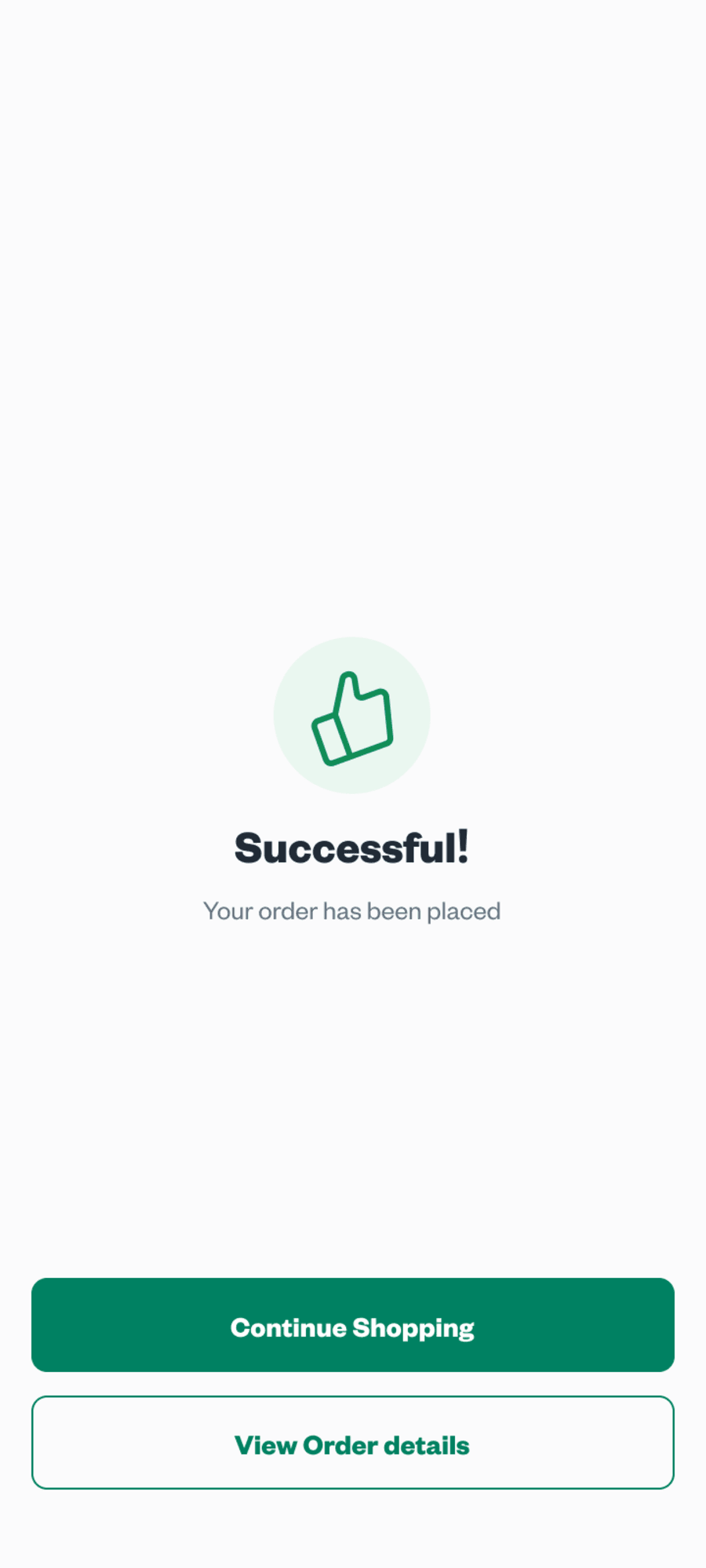
Because shop owners pay with whatever works that moment, and a failed payment means an empty shelf. Checkout offers wallet, bank transfer, card, USSD, QR code and pay on delivery. Bank transfer and QR show the exact amount and a confirmation, then an I have transferred step, so the shop owner tells the app rather than waiting for it to guess.
What happens when the wallet doesn't cover it?
Thought for 2s
The order doesn't fail. With split payment, the wallet balance goes first and the app shows exactly what's left to pay by transfer, with a countdown on how long the transfer details stay valid. There's also a part-payment flow for orders that are paid in stages. Both keep the shop owner moving instead of sending them back to top up.


How does a shop owner follow an order?
Thought for 3s
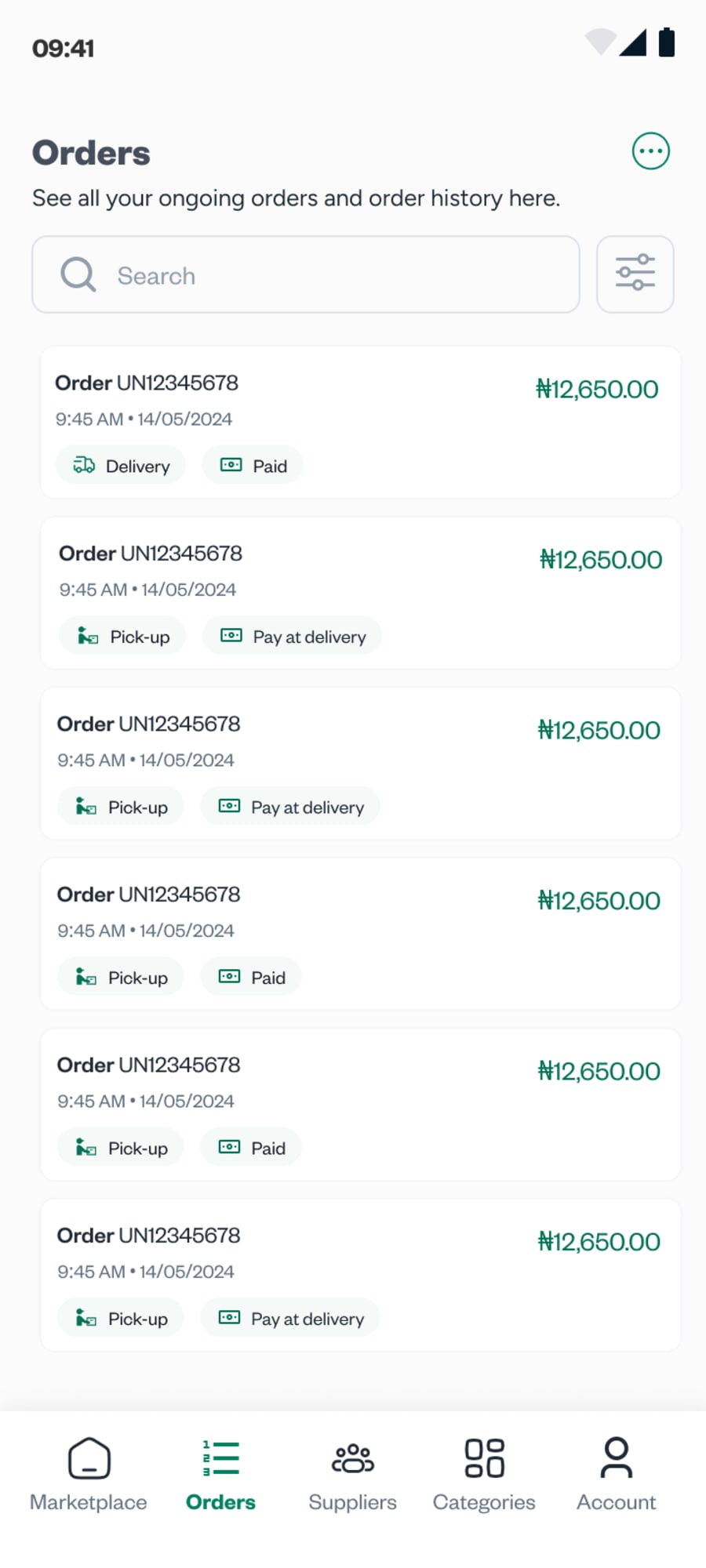
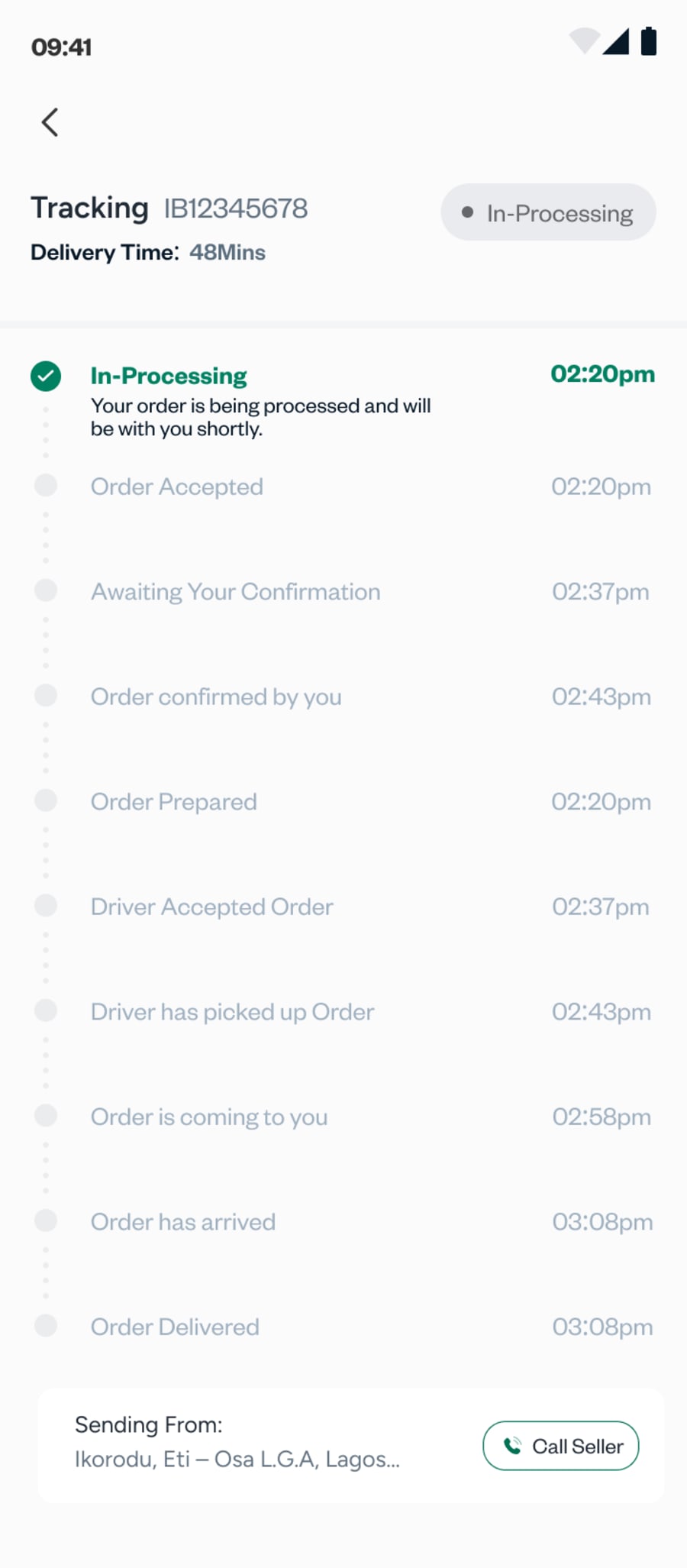
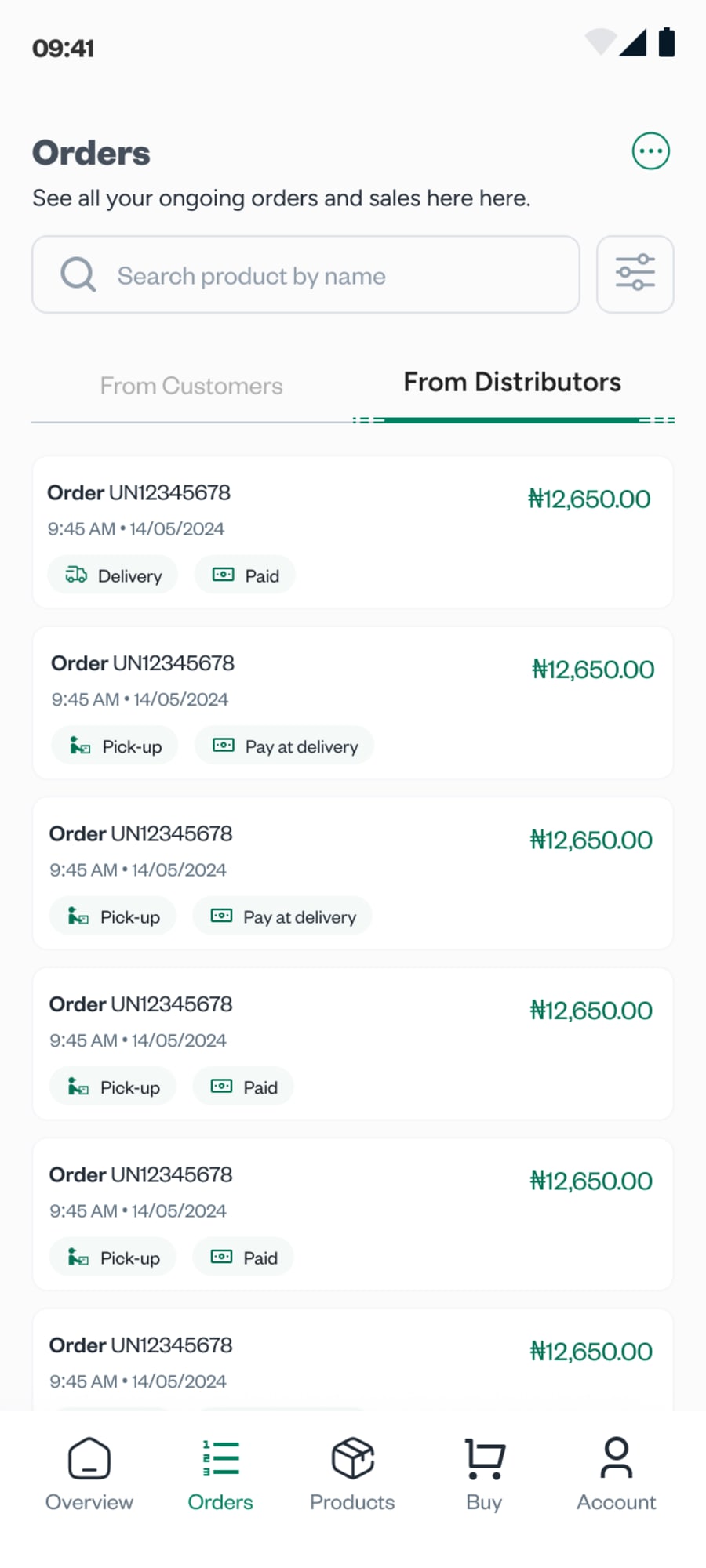
Every order in the list shows its delivery method and whether it's paid or pay-at-delivery, so the cash due on arrival is never a surprise. Tracking walks through ten steps with times, from in processing to delivered, including the moment the shop owner confirms the order and when the driver picks it up. Call seller sits on the tracking screen.
What does the seller see?
Thought for 4s
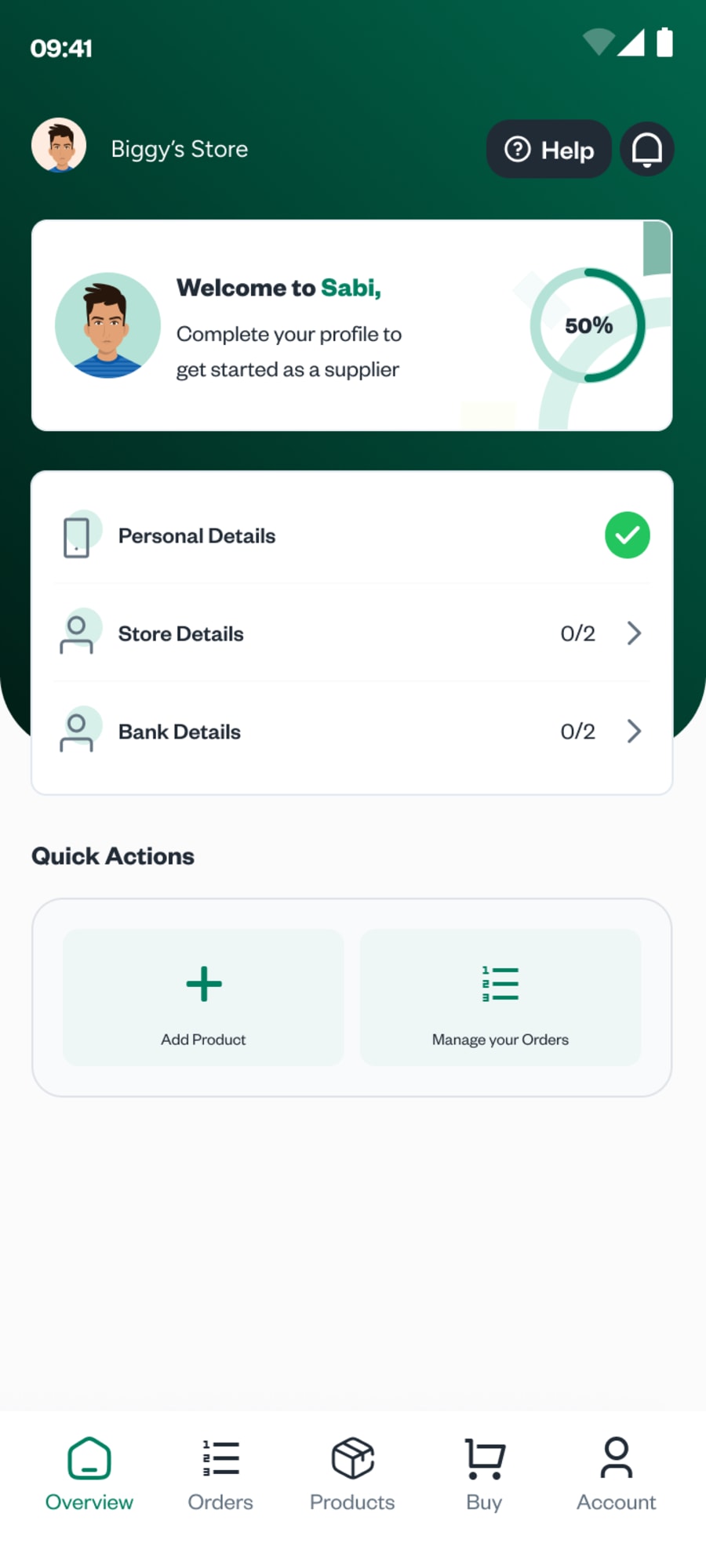
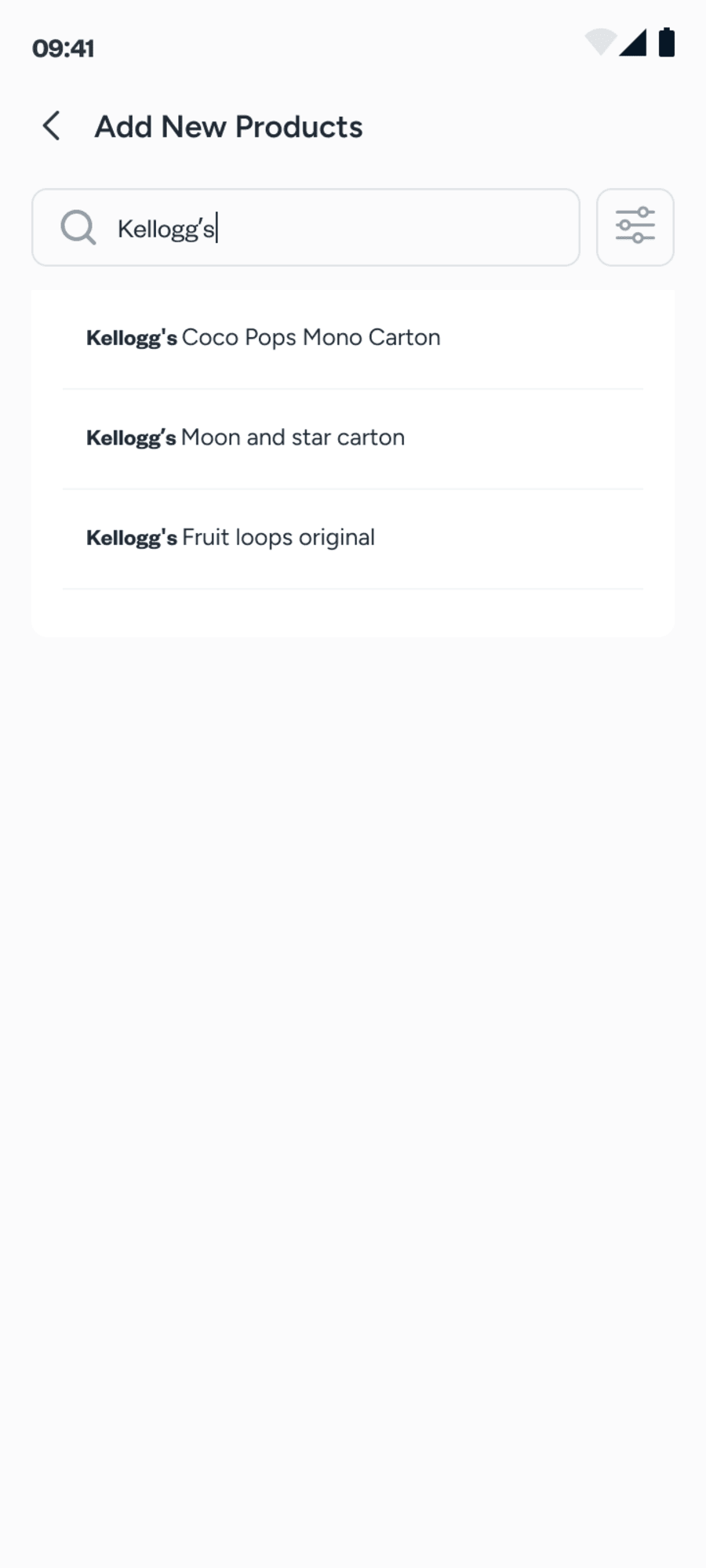
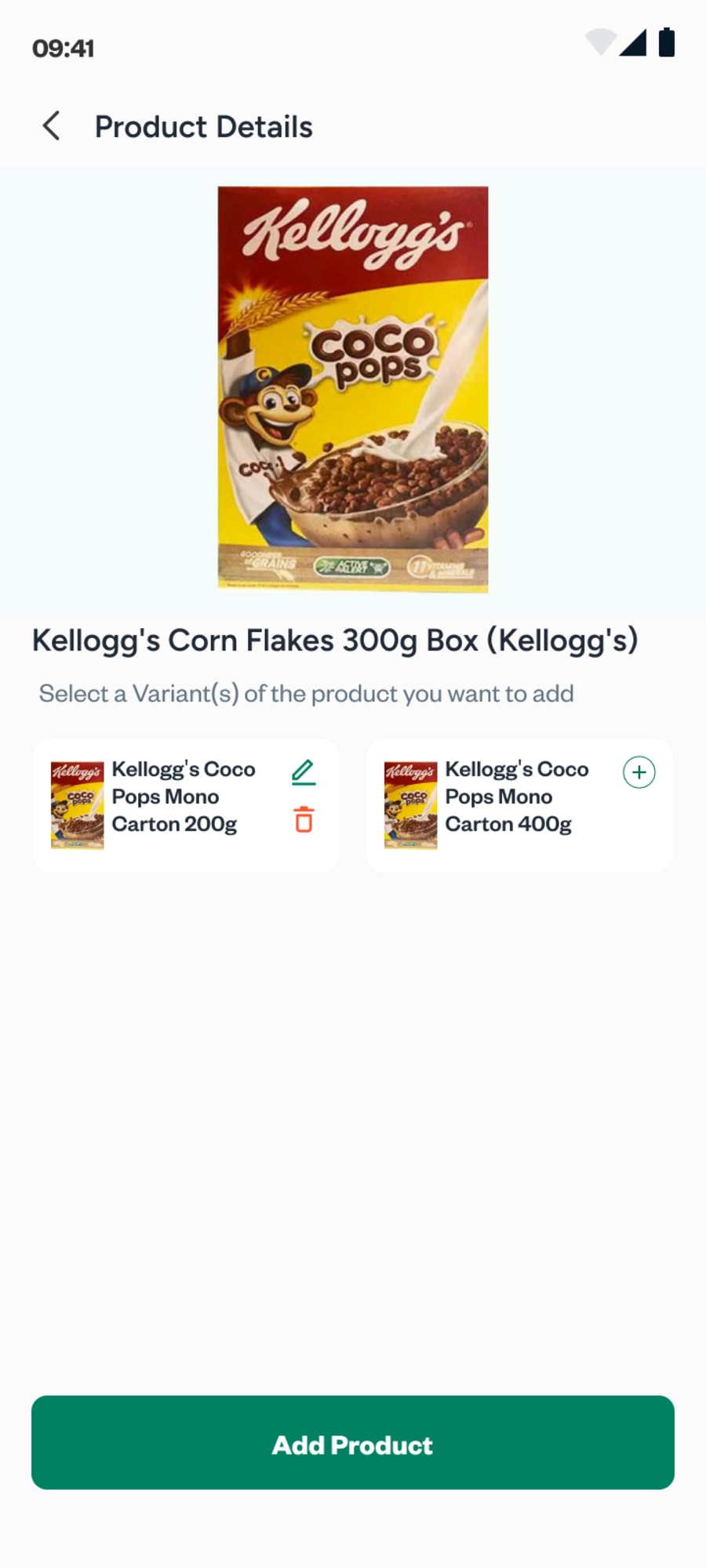
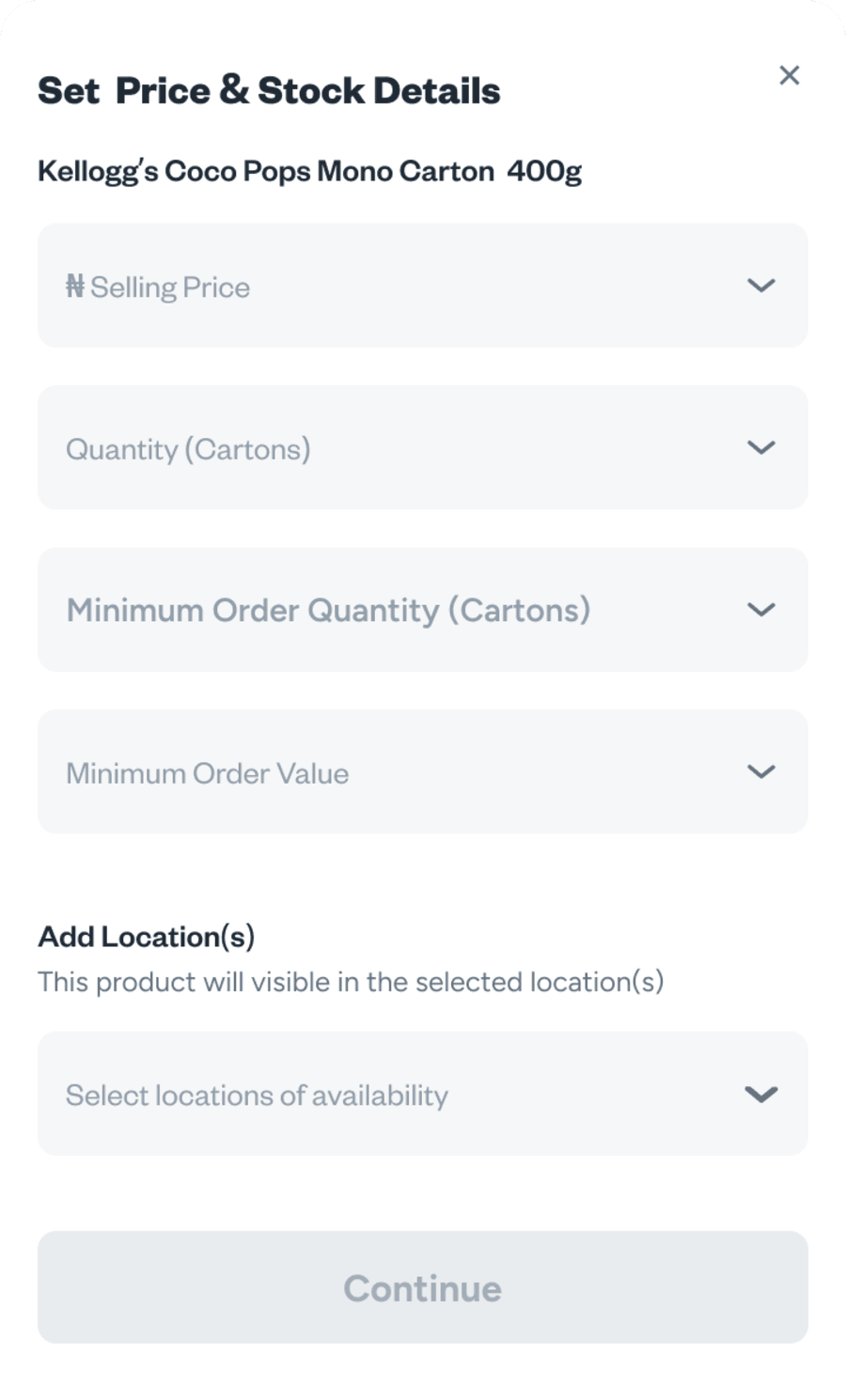
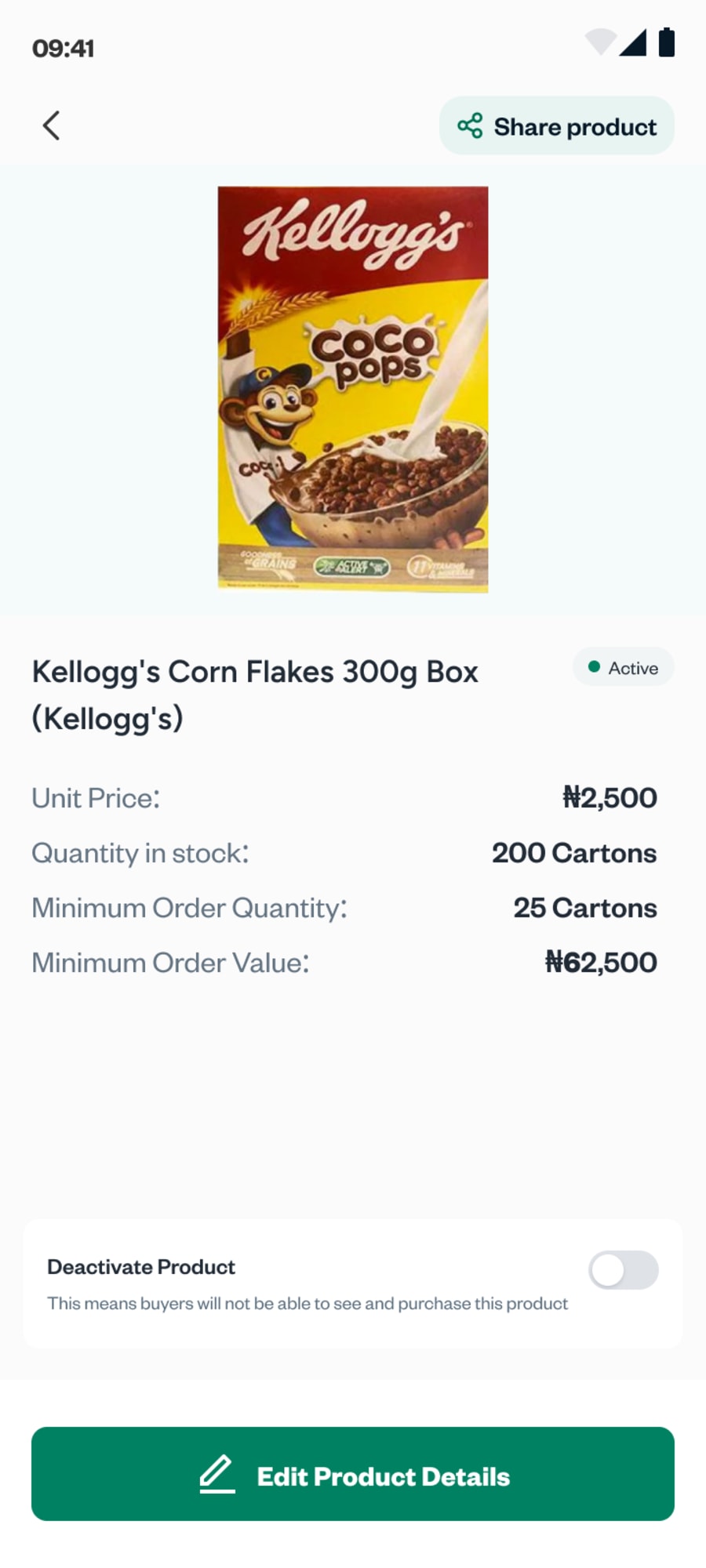
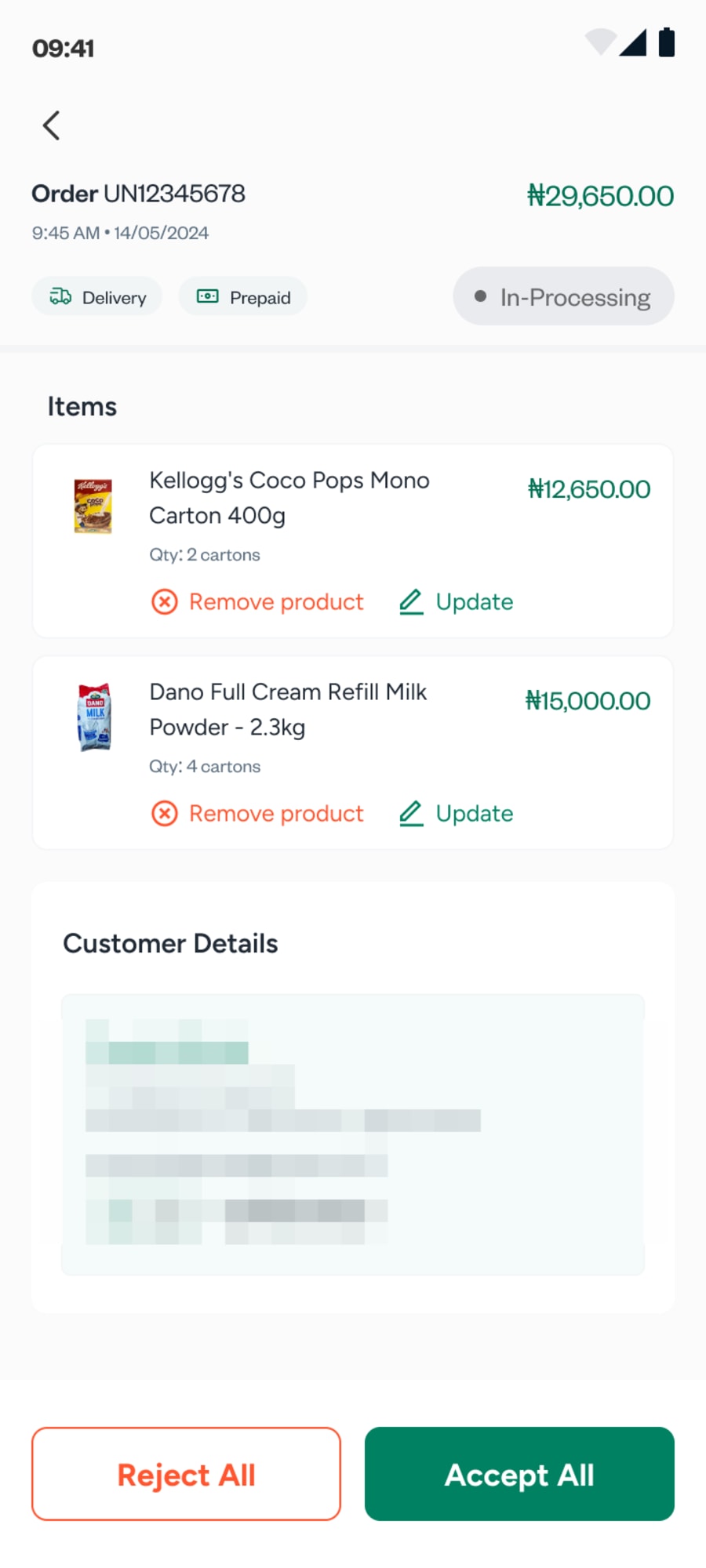
Sellers run their store from the same app. A new store starts with a setup checklist (personal, store and bank details) and quick actions to add a product or manage orders. Adding a product is a search of Sabi's catalogue, not a blank form: pick the item, pick its variants, then set price, stock, minimum order quantity and value, and the locations it sells in. Any product can be deactivated so buyers stop seeing it. Orders split into from customers and from distributors, because a seller restocks too, and each order can be edited item by item before Accept All or Reject All.

How did you handle sign-in?
Thought for 2s
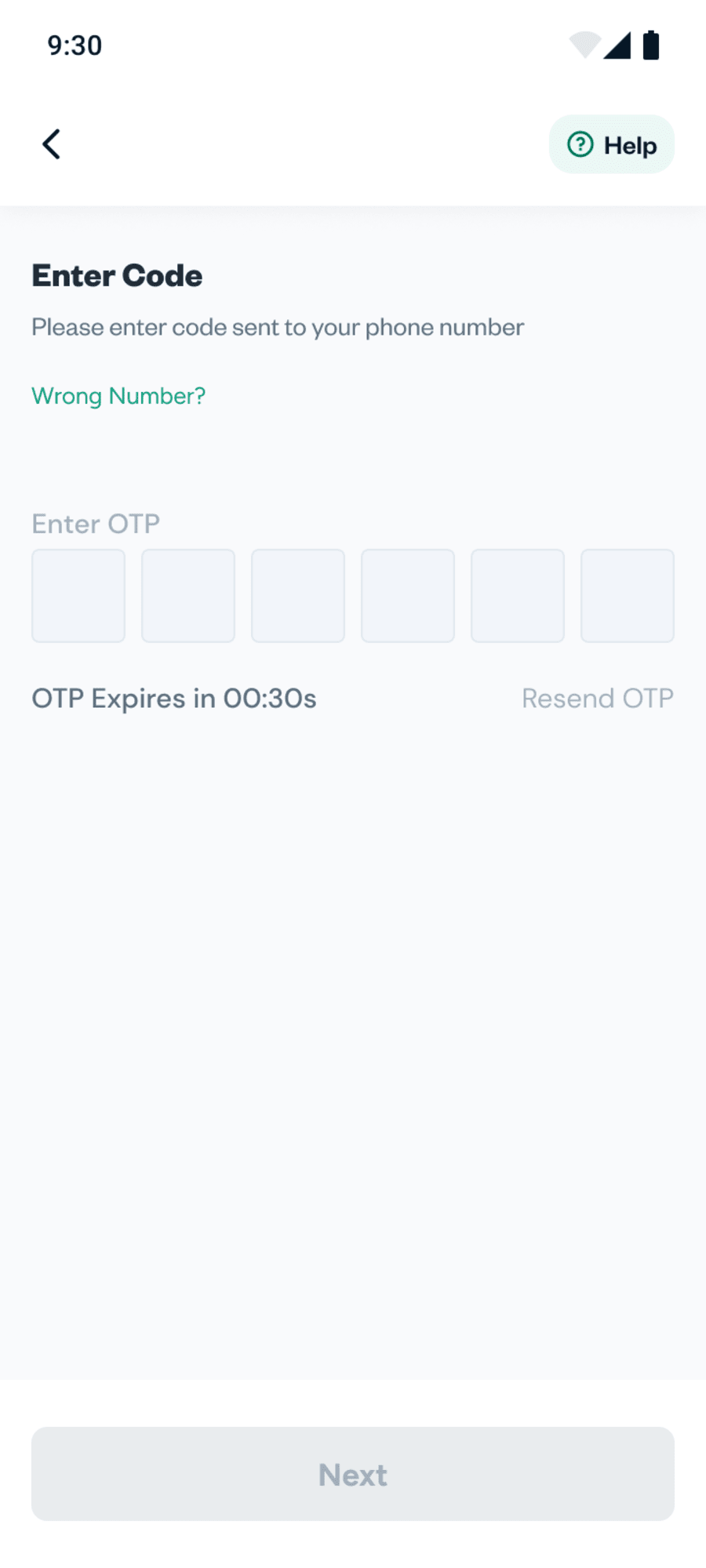
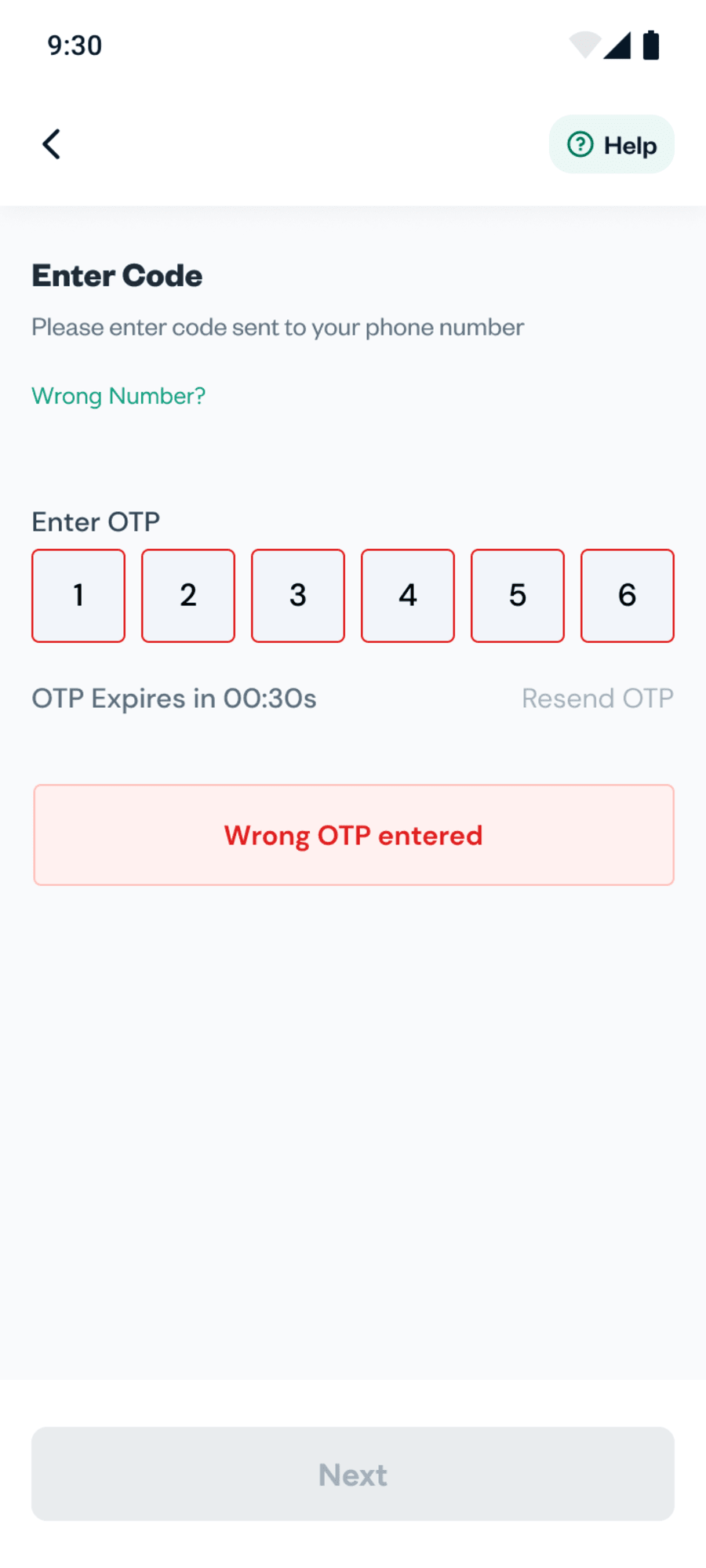
With phone numbers and one-time codes, with every state designed, including the unhappy ones: a visible expiry countdown, resend, a wrong number escape, and clear errors for a wrong or expired code. On a shared or second-hand phone, those states are the difference between signing in and giving up.
What did Sabi Market teach you?
Thought for 3s
That B2B buyers are still people on a phone: the cartons, suppliers and fees have to be as clear as a consumer app. That payment flexibility is part of the product, because for a shop owner a failed payment is an order that doesn't happen. And that on a shared design team, working task by task only holds together when everyone designs to the same system.
- Show the money earlyFees, cut-offs and what's due on delivery belong before the button, not after.
- Never dead-end a paymentSplit and part payment keep an order alive when the wallet falls short.
- Design every error stateWrong and expired codes matter as much as the happy path.
- One system, many handsA shared redesign stays coherent only through shared components. That's what SANDS was for.
Thinking
The scripted part of this conversation carries the verified facts. Live answers only use what's on this site.